

10 Hidden Safety Risks in Your Home You Might Be Ignoring
When it comes to home safety, most people focus on obvious threats like break-ins or fires. But many accidents and emergencies are caused by hidden risks that go unnoticed until it is too late.
From outdated smoke alarms to poor lighting and unsecured furniture, these small issues can quickly turn into serious hazards. The good news is that most of these risks can be solved with simple, proven products from Home Safety Store, who specialise in smoke alarms, security systems, and emergency preparedness solutions.
Top 10 Hidden Safety Risks at Home
1. Overloaded Power Boards

Plugging too many devices into one outlet can cause overheating and fire risk.
Recommended fix:
Reduce load and upgrade to safer electrical setups.
2. No Smoke Alarms in Bedrooms

Recommended product:
Many homes only install alarms in hallways. Fires spread quickly at night.
Why this matters:
These alarms are designed for Australian homes and offer long-life batteries and interconnection for better coverage.
3. Blind Cord Hazards
Loose blind cords pose a serious risk for children.
Recommended fix:
Use cord winders or switch to cordless blinds.
4. Slippery Bathrooms
:max_bytes(150000):strip_icc()/Wetbathroomfloor-GettyImages-821145472-fa30a65b768b4dbc8840b0816f054fc0.jpg)
Wet floors are a leading cause of injury.
Recommended fix:
Add non-slip mats and grab rails.
5. Unsecured Furniture
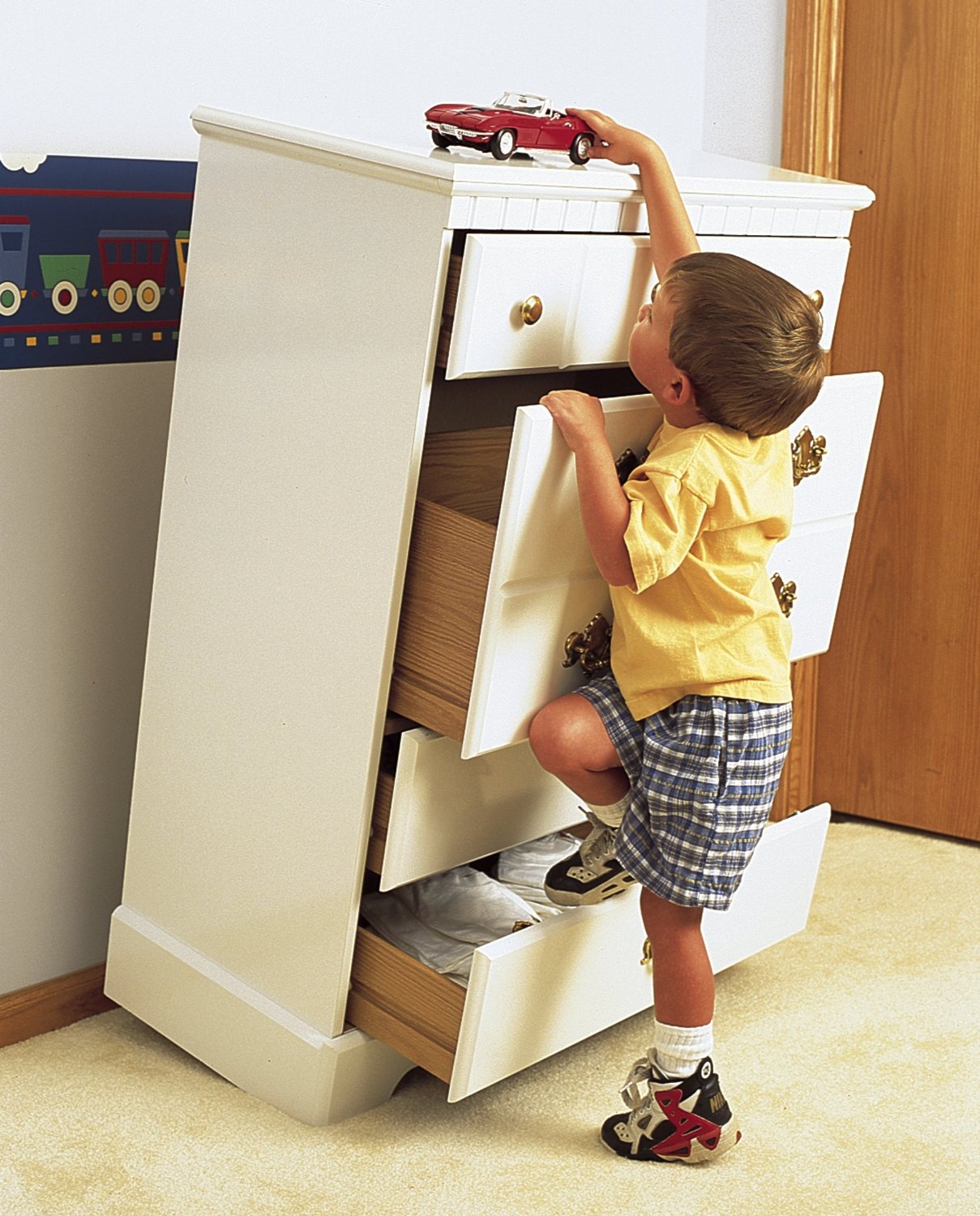
Tall furniture can tip over, especially if climbed on.
Recommended fix:
Install wall anchors and anti-tip kits.
6. Poor Outdoor Lighting

Recommended product approach:
- Motion sensor lighting
- Pair with security cameras or intercom systems from Home Safety Store
Better lighting reduces both accidents and break-ins.
7. Carbon Monoxide Risks

Carbon monoxide is invisible and odourless, making detection essential.
8. Unlocked or Weak Access Points

Recommended product options:
- Video doorbells
- Intercom systems
- Security cameras available at Home Safety Store
These improve visibility and allow real-time monitoring.
9. No Emergency Kit
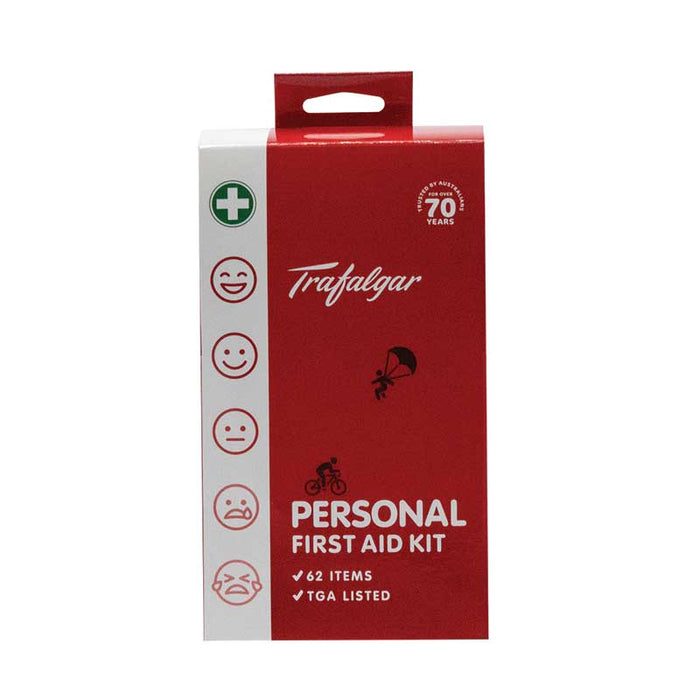
Recommended product:
Having a first aid kit at home helps you respond immediately to injuries.
10. Expired or Faulty Safety Devices
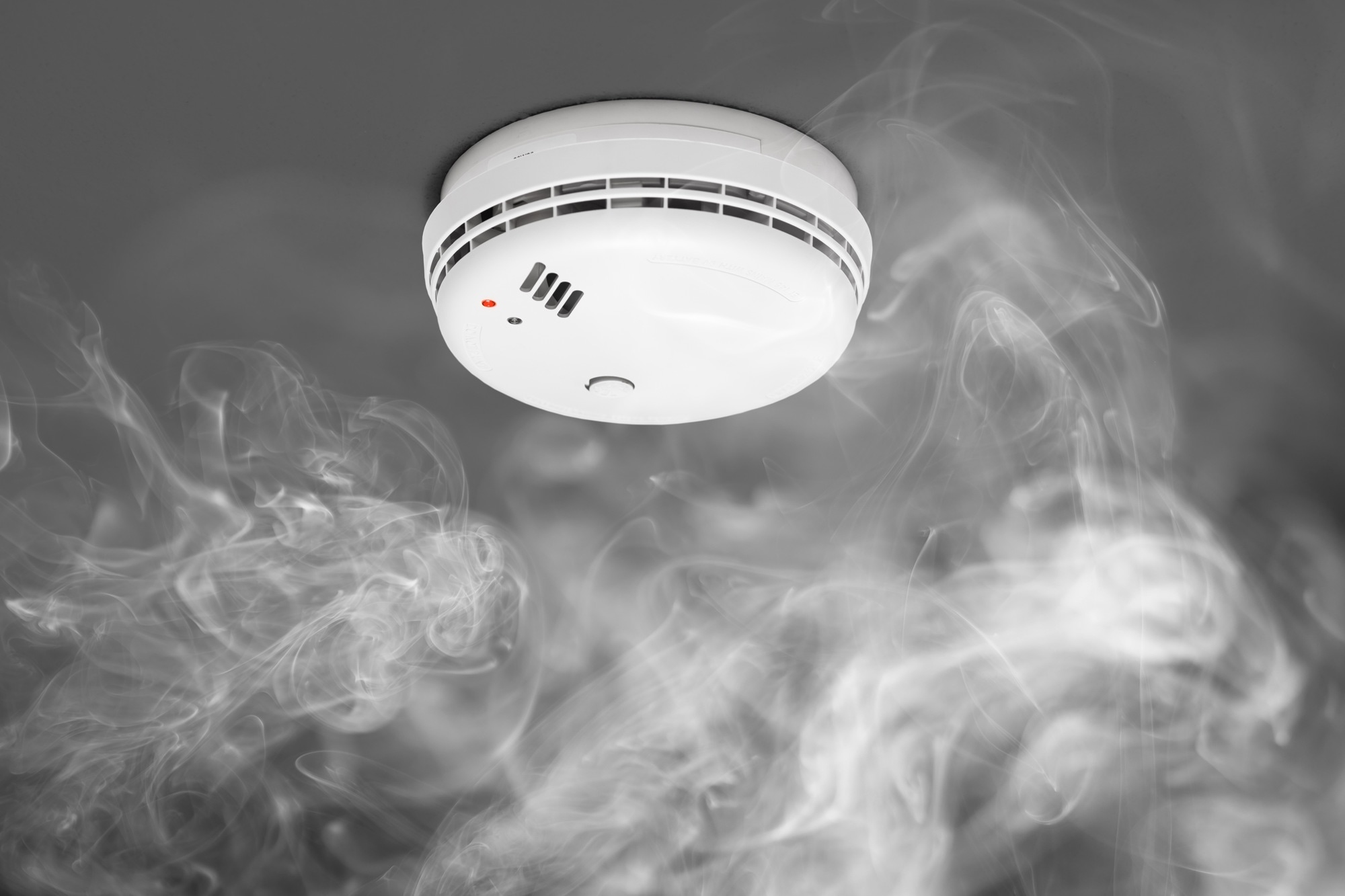
Recommended upgrade:
- Replace old alarms with newer 10-year lithium models
- Consider bundles like:
- Smoke Alarm Bundle Kits
Bundles improve full-home coverage and compliance.
Why These Risks Matter
These hazards may seem small, but they escalate quickly.
A small electrical issue can lead to a fire.
A missing alarm can delay life-saving alerts.
A fall can result in serious injury.
Many homes already have some safety devices, but gaps in placement or outdated equipment create real risk.
Quick Fixes You Can Do Today
- Install smoke alarms in bedrooms and hallways
- Upgrade to 10-year lithium smoke alarms
- Add motion lighting outdoors
- Install a basic security camera or intercom
- Keep a first aid kit accessible
Even small upgrades can significantly reduce risk.
FAQs
What is the biggest safety risk in homes?
The lack of working smoke alarms, especially in bedrooms, is one of the biggest risks.
How often should I check home safety devices?
Test smoke alarms at least every 6 months and check all devices regularly.
Are smart safety devices worth it?
Yes, they provide real-time alerts and improve response time.
Do I need interconnected smoke alarms?
Yes, interconnected alarms ensure all devices sound at once, giving earlier warning across the home.