

Home Security 101 A Room by Room Guide to Protecting Your Property
Most Australian homeowners think about security in general terms “we should get a camera” or “we need better locks.” But break-ins don’t happen in a house in general. They happen at a specific window, a side gate, a garage door left ajar. The most effective home security plans start by walking through the property room by room and asking: if I were trying to get in here, where would I go? This guide breaks your home into the zones burglars actually target and what to do about each one.

1. The Front Door: Your First and Most Obvious Target
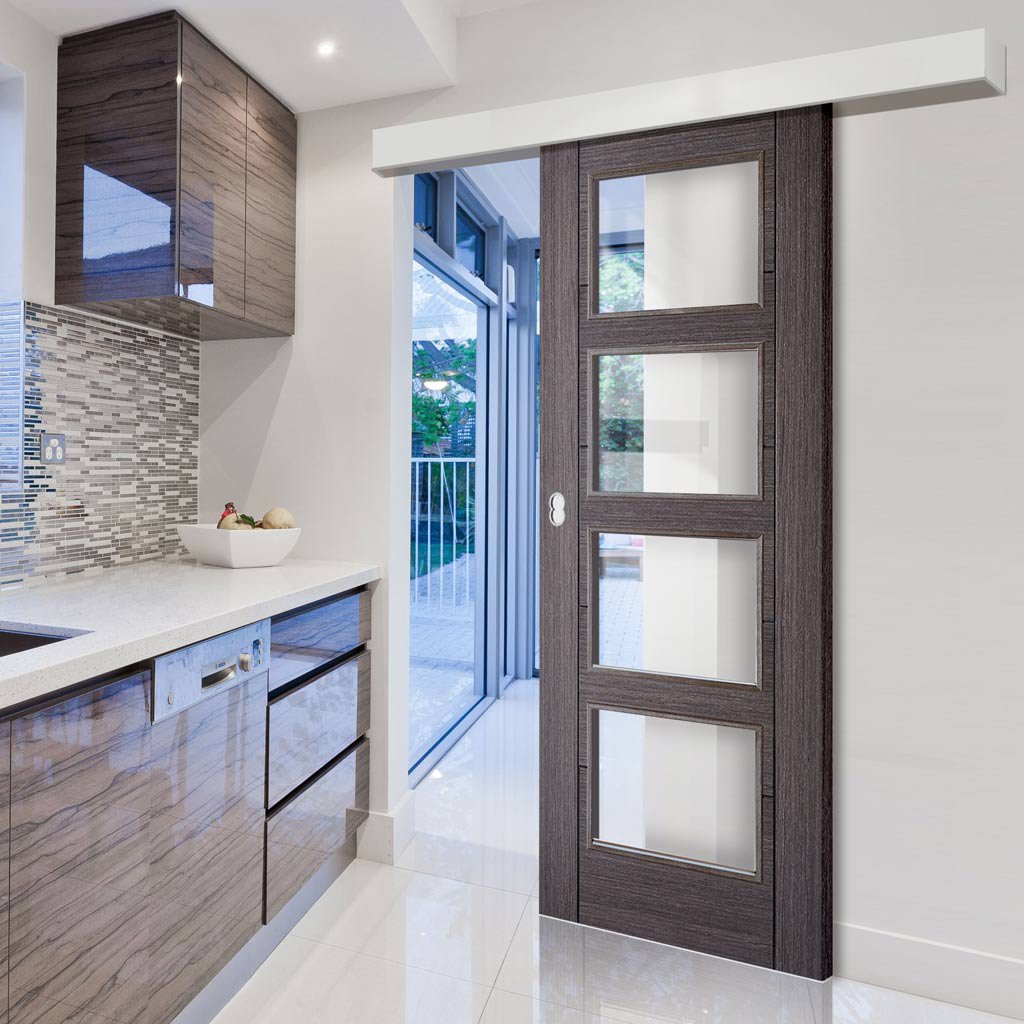
Front doors are the most common entry point for opportunistic break-ins, partly because they’re easy to reach and partly because a determined intruder can simply knock first to check if anyone’s home. A video doorbell or intercom lets you see and speak to whoever is there without opening the door, which deters the “knock and check” approach entirely. Pair this with a visible camera nearby and it can reduce attempts before they start, not just capture footage after.
2. Side Gates and Garden Access: The Overlooked Blind Spot
Side access is where most burglars actually enter, because it’s hidden from the street and often gets far less attention than the front door. A motion-activated camera angled down the side path closes this gap. If the gate itself isn’t secured, that’s worth fixing first cameras document a break-in, but a locked gate can prevent one.
3. Back Doors and Sliding Doors
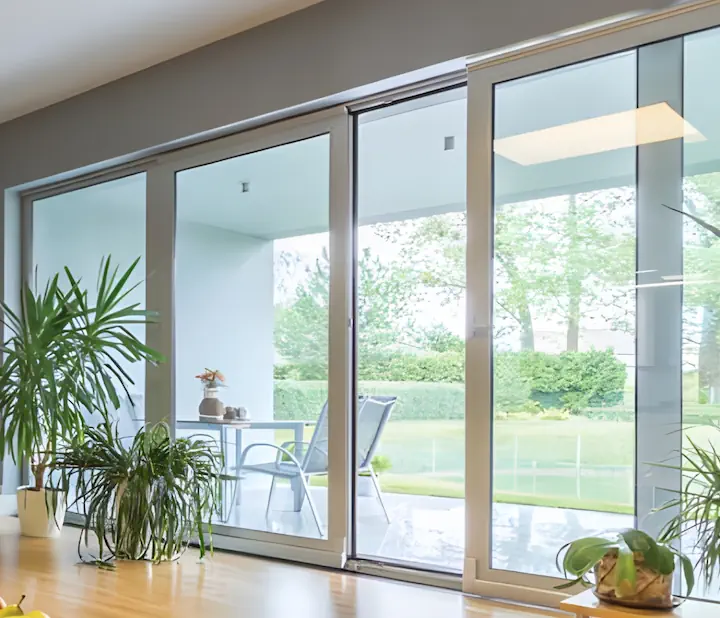
Sliding doors and back entries are attractive because they’re usually shielded by fences or landscaping, giving an intruder time to work without being seen from the street. Coverage here matters more than coverage at the front. A wireless camera or sensor on this side of the house, tied into a wider alarm system, closes the loop between “someone’s at the back” and “I get notified.”
4. Windows, Especially Ground-Floor Bedrooms
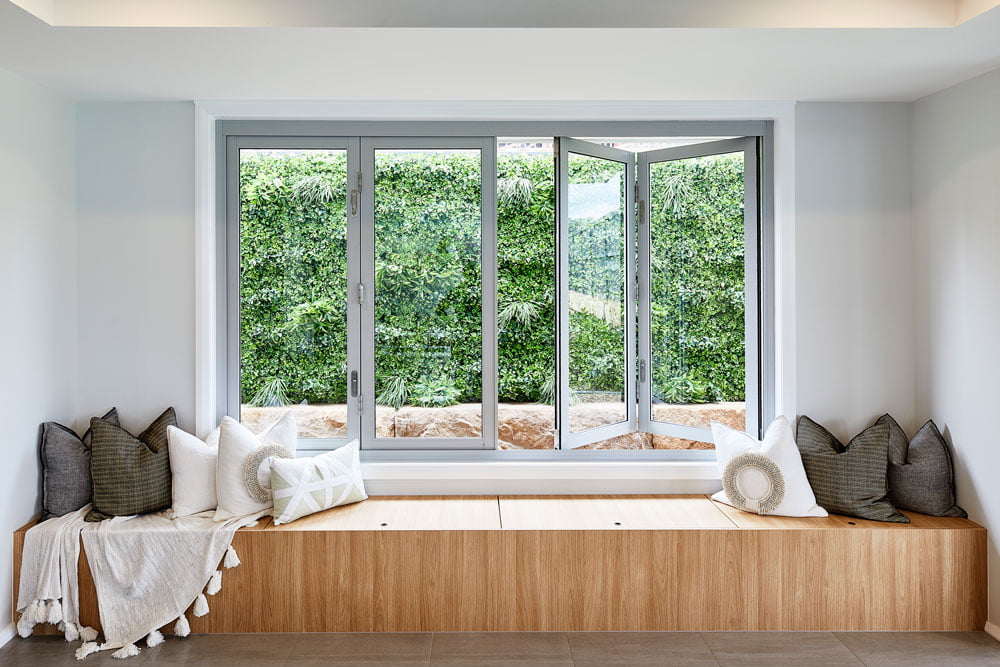
Ground-floor windows, particularly on the side of the house away from neighbours, are a common secondary entry point once a gate or fence has been cleared. Window/door sensors on a wireless alarm system are the simplest fix they don’t require rewiring and can be added to almost any home over a weekend.

5. Tying It Together: The Whole-Home System
Individual devices help, but a connected system with cameras, door/window sensors, and a central alarm, that is viewable from one app is what gives you a complete picture rather than isolated alerts. It also means one system to manage, rather than three separate apps for three separate gadgets.
Recommended Products for This Guide
Security Cameras — for entry points, side access and blind spots (see the Security Cameras range)
Wireless Alarm Kit — door/window sensors and a central hub, no rewiring required
Video Door Bell / Intercom Systems — see and speak to visitors before opening the door