

Do You Need Interconnected Smoke Alarms
What Are Interconnected Smoke Alarms?

Interconnected smoke alarms are a network of alarms installed throughout your home that are linked together. When one alarm detects smoke, all alarms in the system sound simultaneously.
This means no matter where a fire starts, every person in the home is alerted at the same time, even if they are asleep or in another room.
Modern interconnected systems can be hardwired or wireless, making them suitable for both new builds and existing homes.
Why Interconnection Matters
Faster Alerts
Fires can spread quickly, especially at night. Interconnected alarms ensure that the moment smoke is detected, the entire household is warned immediately.
Whole-House Protection
Standalone alarms only sound in one location. Interconnected systems provide full coverage, ensuring bedrooms, hallways and living areas are all alerted.
Essential for Families
If a fire starts in a living area while occupants are sleeping, interconnected alarms significantly improve the chances of early escape.
Legal Requirements
Interconnected smoke alarms are now mandatory in Queensland, where strict regulations apply to all homes being sold, leased, or renovated.
Wired vs Wireless Interconnection
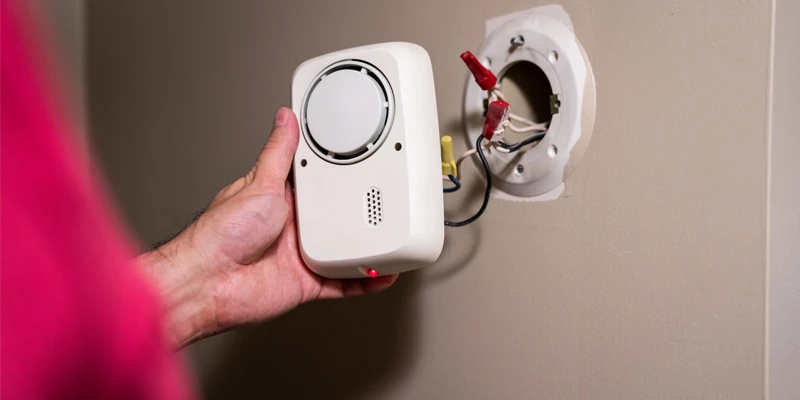
Wired Interconnected Smoke Alarms
How it works
Alarms are physically connected through wiring in the home.
Benefits
More stable connection
No signal interference
Often preferred in new builds
Considerations
Requires professional installation
Higher upfront cost
Wireless Interconnected Smoke Alarms

How it works
Alarms communicate via radio frequency without physical wiring.
Benefits
Quick and easy installation
Ideal for existing homes or upgrades
No need for rewiring
Considerations
Slightly higher unit cost
Requires proper pairing during setup
Risk of network failure
Which Option Is Best for You?
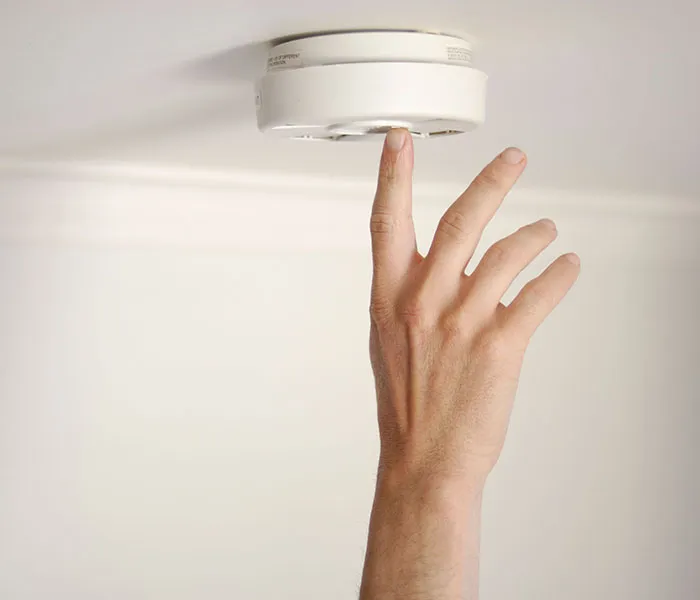
- New homes or major renovations → Wired interconnected systems
- Existing homes or retrofits → Wireless interconnected systems
- DIY-friendly upgrade → Wireless is the easiest solution
Both options provide the same level of safety when installed correctly and compliant with Australian standards.
Product Recommendations
If you're upgrading your home, the easiest way to get started is with smoke alarm bundles.
These bundles include compatible alarms that are designed to work together, helping you achieve full-home coverage and compliance more easily.
FAQs
Are interconnected smoke alarms required in Australia?
Yes. Regulations vary by state, but Queensland requires interconnected photoelectric smoke alarms in all bedrooms, hallways and levels of the home by 1 January 2027.
Can I connect smoke alarms wirelessly?
Yes. Many modern smoke alarms support wireless interconnection, making them ideal for upgrading existing homes without rewiring.
Are wireless alarms reliable?
Yes. Wireless smoke alarms are reliable when they meet Australian standards such as AS 3786:2014 and are installed correctly.
Do all smoke alarms in the house need to be interconnected?
For compliance in many states, yes. All required alarms must be interconnected so they sound together.
How many smoke alarms should be interconnected?
At minimum, alarms should be installed in every bedroom, in hallways connecting bedrooms and on each level of the home.