

Renting in Australia What Landlords Are Legally Required to
Renting in Australia: What Landlords Are Legally Required to Provide for Fire & Security Safety

Smoke alarm and safety compliance rules in Australia are set at the state level, which means what’s legally required of a landlord in Queensland can look quite different from Victoria or New South Wales. For landlords managing properties and tenants who want to know what they’re entitled to this creates genuine confusion. Below is a plain-English overview of the general obligations across the major states, along with what tends to catch landlords out at inspection or renewal time.
The Common Thread: Working, Interconnected Smoke Alarms
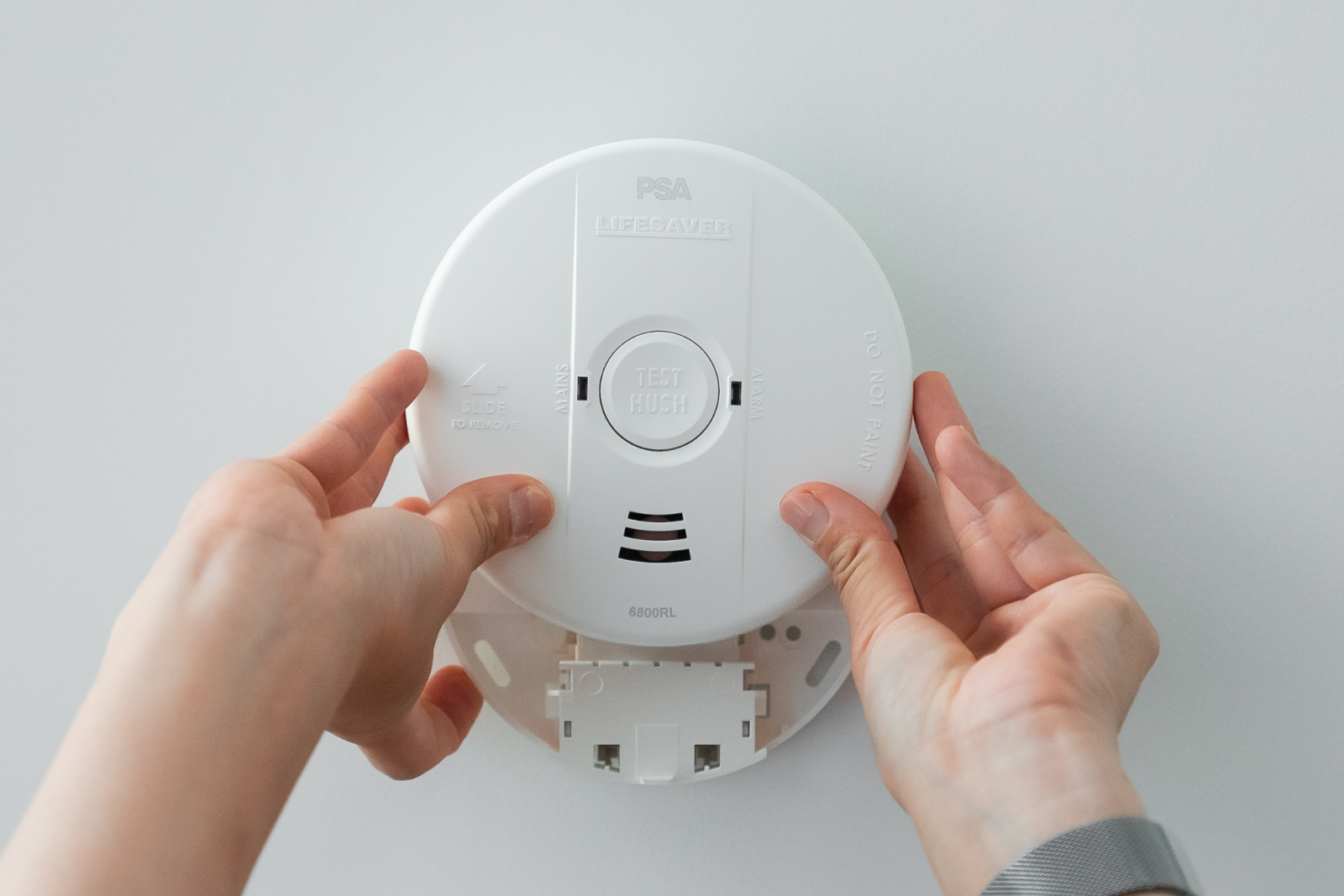
Every state requires rental properties to have working smoke alarms, but the details differ: how many are required, where they must be installed, whether they need to be interconnected, and how often they must be tested. Queensland’s rules are among the strictest in the country and are being phased in for all homes, not just rentals, with a compliance deadline that’s prompting many landlords to upgrade now rather than scramble later.
Photoelectric vs. Ionisation: A Detail That Trips Up Landlords

Several states have moved to require photoelectric smoke alarms specifically, phasing out the older ionisation type, because photoelectric alarms respond faster to the smouldering fires most common in homes. A property with old ionisation alarms that technically “work” can still fail a compliance check simply because of the alarm type — worth checking before a routine inspection, not after.
Who Pays and Who’s Responsible for Testing
In general, landlords are responsible for supplying, installing and maintaining compliant alarms, while day-to-day battery testing obligations can fall to either party depending on the state and lease terms. Getting this wrong assuming a tenant will replace batteries in a hardwired system, for example — is a common source of disputes at the end of a tenancy.
Beyond Smoke Alarms: What Else Gets Checked
Security features like functioning locks on doors and windows are typically a baseline safety expectation, and increasingly, tenants are asking about (or landlords are adding) video intercoms and cameras as a selling point for multi-unit or higher-turnover properties. These aren’t always legally mandated, but they reduce liability and make a listing more attractive.
A Practical Compliance Checklist
- Confirm your state’s current smoke alarm type, placement and interconnection requirements
- Check installation dates, photoelectric alarms need replacing every 10 years.
- Document testing dates for your own records, even where the legal obligation sits with the tenant
- Review lock and window security as part of routine inspections
Frequently Asked Questions
Who is legally responsible for smoke alarms in a rental — landlord or tenant?
Rules vary by state, but generally the landlord is responsible for supplying, installing and maintaining compliant alarms, while routine tasks like battery testing can sit with either party depending on the lease and local legislation. It's worth confirming the specific split for your state rather than assuming.
What happens if a rental property isn't compliant at inspection?
Consequences vary by state but can include fines, orders to fix the issue within a set timeframe, or complications at lease renewal or sale. Given how inexpensive compliant alarms are relative to the risk, most agents recommend upgrading proactively rather than waiting for an inspection to flag it.
Are ionisation smoke alarms illegal now?
Not universally illegal, but several states have moved to require photoelectric alarms specifically for new installations and replacements, phasing ionisation types out over time. An existing ionisation alarm may still be legal in some jurisdictions until it needs replacing — check your specific state's current rules.
Do landlords need to upgrade to interconnected alarms in every state?
Not every state mandates interconnection yet, but the trend across Australia is moving that way, and Queensland's rules are among the most advanced. Landlords upgrading now often choose interconnected systems to avoid a second round of work later.
Recommended Products for This Guide
- Compliant Photoelectric Interconnected Smoke Alarms — sold in bundles suited to multi-bedroom rentals
- Video Intercom Systems — an easy security upgrade for landlords managing multi-unit or high-turnover properties
- Heat Alarms — for kitchens and garages within a compliant whole-property alarm layout