

Why Smoke Alarm Myths Are Dangerous
Smoke alarms are one of the most important safety devices in Australian homes, yet many people rely on outdated information or common myths when deciding where to install them or whether they are necessary at all.
These misconceptions can lead to poor coverage, delayed alerts, or non-compliance with Australian smoke alarm regulations. This guide busts the most common smoke alarm myths and explains what you need to know to stay safe and compliant.
Why Smoke Alarm Myths Persist

Smoke alarm myths often come from older advice, previous building standards, or frustrating experiences with false alarms. Technology and regulations have changed significantly, especially with stricter requirements leading into 2026.
Believing the wrong information can result in:
- Reduced early warning during a fire
- Bedrooms without smoke alarm protection
- Alarms that do not alert the whole household
- Legal and insurance issues for homeowners and landlords
Smoke Alarm Myths Debunked

Myth 1: I Do Not Need a Smoke Alarm Near the Kitchen
Many people believe smoke alarms should never be installed near kitchens because they will go off every time cooking occurs.
The Truth
Smoke alarms should not be installed inside kitchens, but they are required nearby, usually in the hallway or area connecting kitchens to bedrooms. Modern photoelectric smoke alarms are far less prone to false alarms from cooking fumes compared to older models.
Correct placement reduces nuisance alarms while still providing early warning if a fire starts.
Alternatively, you can install a heat alarm in the kitchen which is less prone to dust, steam and smoke related false alarms as the heat alarm works off temperature. If temperatures reach over 57 degrees Celsius, the heat alarm will be triggered. Heat alarms are often used in commercial kitchens.
Myth 2: Smoke Alarms Go Off Too Often to Be Useful
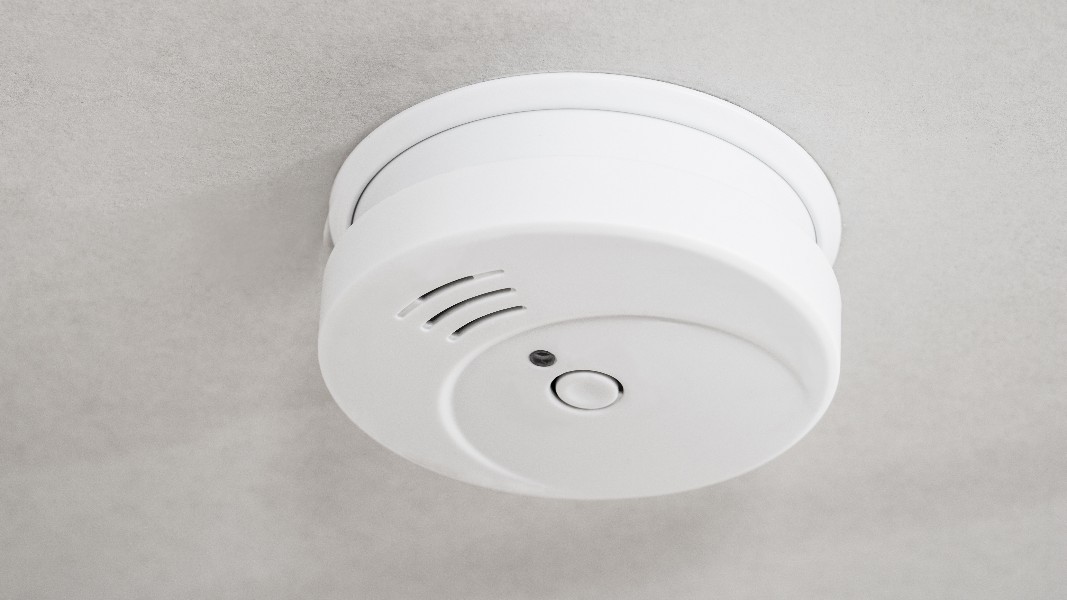
False alarms are a common frustration, leading some people to disable or remove smoke alarms altogether.
The Truth
Frequent false alarms are usually caused by:
- Old ionisation smoke alarms
- Incorrect placement
- Dust or insects inside the unit
Modern photoelectric smoke alarms are designed to reduce nuisance alarms while improving detection of real fires. If your alarm goes off often, replacement is usually the solution, not removal.
Myth 3: One Smoke Alarm Is Enough for the Whole House

Some households believe a single smoke alarm in a hallway or living area is sufficient.
The Truth
Australian regulations (depending on state) now require smoke alarms:
- Inside every bedroom
- On every level of the home
- Interconnected so all alarms sound together
A fire can start anywhere. One alarm in one location may not alert people sleeping behind closed doors.
Myth 4: Battery Smoke Alarms Are Not Reliable

There is a common belief that battery powered smoke alarms are inferior to hard wired models.
The Truth
Sealed 10 year lithium battery smoke alarms are approved and compliant under Australian standards. They are reliable, long lasting, and ideal for homes without mains wiring access.
The key issue is not battery versus hard wired, but whether the alarm meets AS 3786 standards and is properly maintained.
Myth 5: If My Smoke Alarm Alarms when Tested, It Is Fine
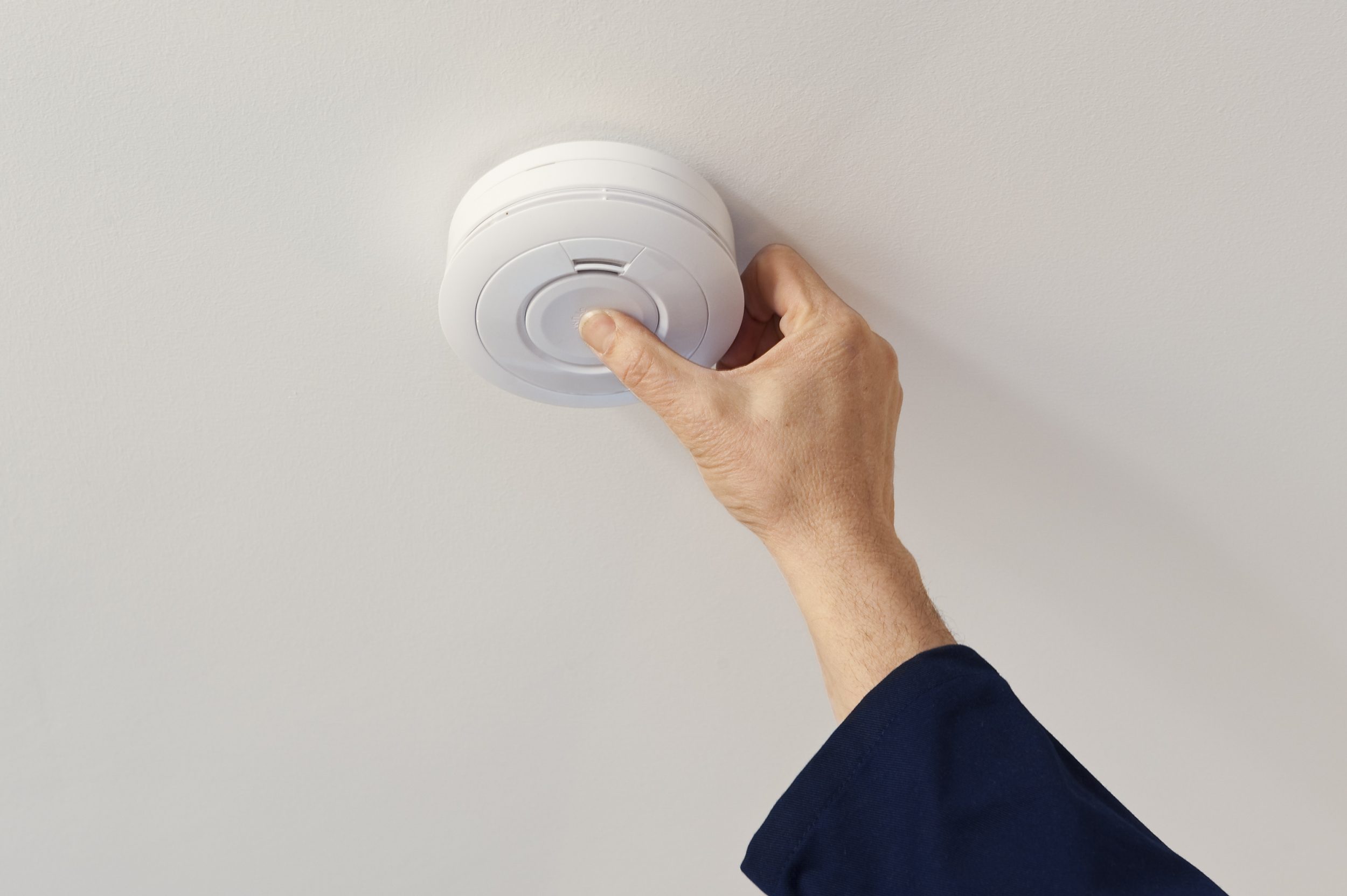
Many people assume that if a smoke alarm still makes noise during testing, it does not need replacing.
The Truth
Smoke alarms must be replaced every 10 years, even if they still appear to work. Sensors degrade over time and may not detect smoke early enough in a real fire.
The best way to test your smoke alarm is using Smoke in a Can tester. This aerosol can mimics smoke particles and is a true test of if your smoke alarm is working as it should.
Always check the manufacture date on the back of the alarm.
Myth 6: Smoke Alarms Are Only Required in Rental Properties

Some homeowners believe smoke alarm laws only apply to landlords.
The Truth
Smoke alarm requirements apply to all residential properties, including owner occupied homes, rentals, and homes being sold. Existing homes must also meet updated standards, not just new builds.
Myth 7: Interconnected Smoke Alarms Are Overkill

Some people think interconnected alarms are unnecessary and excessive.
The Truth
Interconnected smoke alarms save lives by ensuring that if one alarm detects smoke, every alarm in the home sounds. This is especially important in larger homes or homes with multiple bedrooms.
Interconnection is now a key requirement under updated Australian regulations.
Why Busting These Myths Matters

Believing smoke alarm myths can:
- Delay escape during a fire
- Increase injury or fatality risk
- Lead to non compliance with Australian laws
- Cause issues during property sales or inspections
Correct information helps households make safer choices and meet legal requirements with confidence.
Simple Smoke Alarm Best Practices for Australians
To stay safe and compliant:
- Use photoelectric smoke alarms only
- Install alarms inside every bedroom and on each level
- Replace alarms older than 10 years
- Do not disable alarms due to nuisance alerts
- Test alarms regularly and keep them clean
Frequently Asked Questions About Smoke Alarms
Q: Why do newer smoke alarms cause fewer false alarms?
A: Modern photoelectric technology is better at distinguishing between real smoke and everyday cooking fumes.
Q: Should I remove a smoke alarm if it goes off too often?
A: No. The alarm is likely old, incorrectly placed, or unsuitable for the area and should be replaced.
Q: Are smoke alarms required in bedrooms?
A: In Queensland, updated regulations starting as of January 2027 require smoke alarms inside all bedrooms.
Other States do not require smoke alarms in bedrooms but in hallways where bedrooms are located.
Q: Do smoke alarms need professional installation?
A: Hard wired alarms usually require a licensed electrician. Sealed battery alarms can often be installed by homeowners.
Smoke alarm myths can feel harmless, but they often lead to dangerous gaps in protection. Understanding how modern smoke alarms work and what Australian regulations require ensures your home is safer and fully compliant.