

Increased Winter Heater Use Raises Carbon Monoxide Risks
During winter in Australia and New Zealand, households rely heavily on gas heaters, fireplaces, portable heating systems and enclosed spaces to stay warm. While these appliances provide comfort during colder months, they can also increase the risk of carbon monoxide exposure if they are faulty, poorly ventilated, or incorrectly maintained.
Carbon monoxide (CO) is often called the “silent killer” because it is invisible, odourless and impossible to detect without a carbon monoxide alarm. Unlike smoke, carbon monoxide cannot be seen or smelled, making early detection critical for family safety.
Every year, emergency incidents involving carbon monoxide poisoning rise during winter due to increased indoor heater use and reduced home ventilation.
What Causes Carbon Monoxide Poisoning?

Carbon monoxide is produced when fuel-burning appliances do not completely burn fuel. Common household sources include:
- Gas heaters
- Fireplaces
- Wood-burning stoves
- Portable generators
- Gas cooktops
- Barbecues used indoors
- Hot water systems
- Attached garages with running vehicles
When homes are closed tightly during winter, carbon monoxide can build up quickly inside living areas.
Common Symptoms of Carbon Monoxide Exposure

Many people mistake early symptoms of carbon monoxide poisoning for the flu or winter fatigue. Symptoms may include:
- Headaches
- Dizziness
- Nausea
- Fatigue
- Confusion
- Shortness of breath
- Loss of consciousness
Long exposure to high levels of carbon monoxide can become life-threatening.
Why Carbon Monoxide Alarms Are Essential During Winter
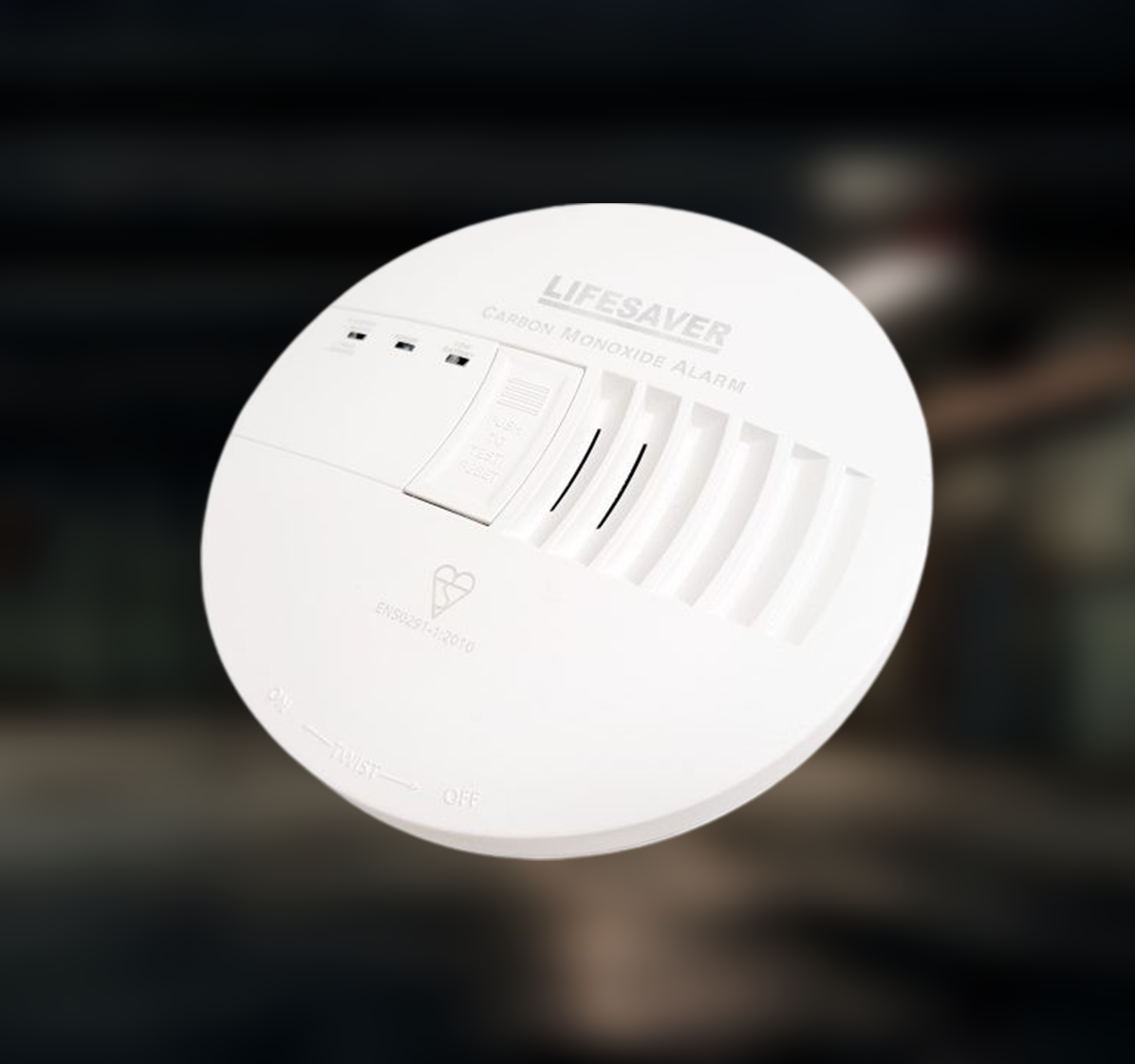
A carbon monoxide alarm continuously monitors indoor air and alerts occupants when dangerous CO levels are detected.
Modern carbon monoxide alarms provide:
- 24/7 monitoring
- Early warning alerts
- Loud emergency alarms
- Continuous protection while sleeping
- Peace of mind during heater use
For homes using gas heating or fuel-burning appliances, installing a carbon monoxide alarm is one of the most important winter safety upgrades.
Where Should You Install a Carbon Monoxide Alarm?
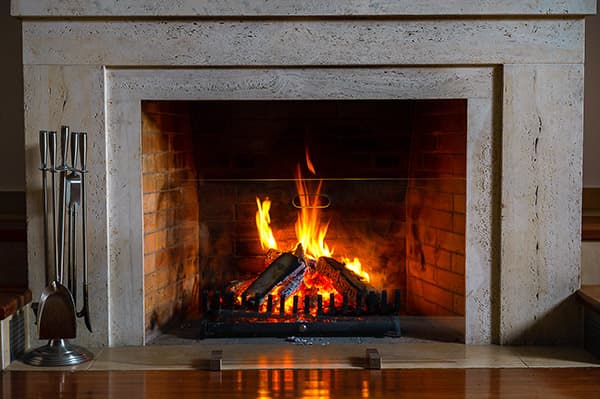
For best protection:
- Install alarms near bedrooms
- Place alarms near fuel-burning appliances
- Avoid installing directly beside heaters
- Follow manufacturer installation guidelines
- Test alarms regularly
Homes with multiple floors should consider installing alarms on each level.
Winter Home Safety Tips for Australia and New Zealand
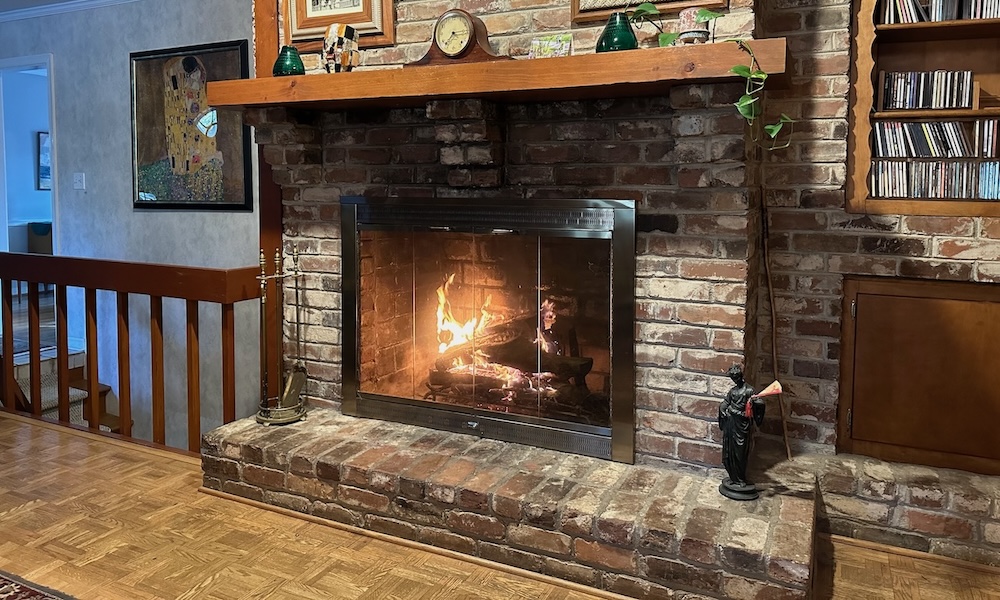
Before winter begins:
- Service gas heaters annually
- Check fireplace ventilation
- Replace old alarms
- Test smoke alarms monthly
- Install carbon monoxide alarms in key areas
- Never use outdoor appliances indoors
Protect Your Family This Winter
Winter should be about comfort and peace of mind, not hidden dangers.
Installing reliable carbon monoxide alarms helps protect your family from invisible risks while keeping your home safer throughout the colder months.
Shop Carbon Monoxide Alarms and stay protected this winter.
FAQs
What are the symptoms of carbon monoxide poisoning?
Common symptoms include headaches, dizziness, nausea, fatigue, confusion and shortness of breath.
Do Australian homes need carbon monoxide alarms?
Homes using gas heaters, fireplaces, or fuel-burning appliances should strongly consider installing carbon monoxide alarms for added protection.
Where should carbon monoxide alarms be installed?
Carbon monoxide alarms should be installed near bedrooms and close to fuel-burning appliances following manufacturer guidelines.
How often should carbon monoxide alarms be tested?
Carbon monoxide alarms should be tested monthly and maintained according to the manufacturer’s recommendations.