

Winter Fire Hazards Every Australian Homeowner Should Know
Why House Fire Risks Increase During Winter
Winter is one of the highest-risk seasons for residential fires across Australia and New Zealand. As temperatures drop, households use heaters, electric blankets, fireplaces and extra electrical appliances more frequently, increasing the chance of electrical faults and fire hazards.
Understanding common winter fire risks can help homeowners reduce danger and improve home safety.
:strip_icc()/GettyImages-1390275521-17ac0280256e4687a862ba53775d9cc4.jpg)
1. Portable Heaters Too Close to Furniture
Portable heaters are one of the most common causes of winter house fires.
Curtains, bedding, clothing, couches and furniture placed too close to heaters can ignite quickly.
Safety Tips:
- Keep heaters at least one metre away from flammable items
- Never leave heaters running unattended
- Turn heaters off before sleeping
- Avoid drying clothes directly on heaters

2. Overloaded Powerboards and Extension Leads
Winter often means more appliances plugged into powerboards at once.
Heaters, electric blankets, chargers and kitchen appliances running simultaneously can overload circuits and increase fire risk.
Safety Tips:
- Avoid plugging heaters into extension cords
- Do not overload powerboards
- Replace damaged cables immediately
- Use certified electrical products only

3. Electric Blanket Safety Risks
Old or damaged electric blankets can overheat and cause fires.
Safety Tips:
- Replace worn electric blankets
- Avoid folding blankets tightly while in use
- Turn blankets off before sleeping unless designed for overnight use
- Inspect cords regularly
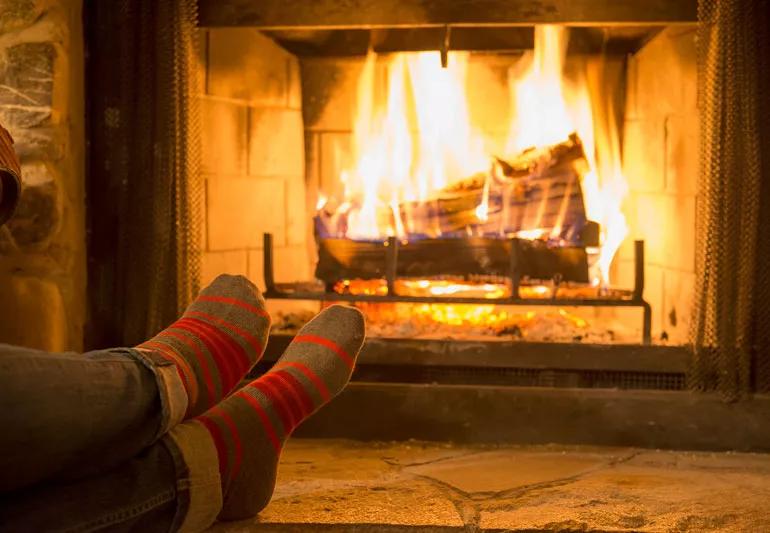
4. Fireplace and Chimney Hazards
Wood fireplaces create additional winter risks if chimneys are not cleaned properly.
Creosote buildup can ignite and cause chimney fires.
Safety Tips:
- Clean chimneys annually
- Use fireplace screens
- Keep flammable decorations away
- Dispose of ashes safely

5. Unattended Cooking During Cold Weather
Cooking remains one of the leading causes of house fires year-round.
Winter comfort meals and longer indoor cooking times increase kitchen fire risks.
Safety Tips:
- Never leave cooking unattended
- Keep tea towels away from stovetops
- Install smoke alarms near living areas
- Keep fire blankets accessible

Why Smoke Alarms Matter During Winter
Early detection saves lives.
Modern interconnected smoke alarms can alert everyone in the home immediately, giving families more time to respond during emergencies.
Testing smoke alarms before winter is critical.
Stay Protected This Winter
Simple home safety habits can significantly reduce winter fire risks.
Preparing your home before temperatures drop helps protect your property, your family, and your peace of mind.
Stay protected this winter with reliable smoke alarms and home safety products.
FAQs
Why are house fires more common during winter?
Winter increases the use of heaters, fireplaces, electric blankets, and electrical appliances, which raises fire risks.
What is the safest way to use a portable heater?
Keep heaters at least one metre away from flammable items and never leave them unattended.
Should smoke alarms be tested before winter?
Yes. Smoke alarms should be tested monthly and checked before winter begins.
Can overloaded powerboards cause fires?
Yes. Overloaded powerboards and damaged extension cords can overheat and increase the risk of electrical fires.