

How Smoke Alarms Work The Science Behind Early Fire Detection
Every year, working smoke alarms save thousands of lives. They are one of the most cost-effective safety devices ever invented, yet most people have never stopped thinking about what happens inside that small plastic disc on their ceiling when smoke fills a room.
Understanding how smoke alarms work is not just satisfying from a science standpoint. It helps you make smarter decisions about which type to install, where to place them, and why regular testing and timely replacement genuinely matter.
The Two Main Types of Smoke Alarms
Not all smoke alarms detect fire the same way. There are two core technologies used in residential smoke detection, and they respond to different kinds of fires.
Ionisation Smoke Alarms

Ionisation alarms use a tiny amount of radioactive material (usually Americium-241) to ionise the air between two electrically charged plates inside the alarm. This creates a small, continuous electrical current. When smoke enters the chamber, it disrupts this current by attaching to the ionised particles. The alarm's circuitry detects the drop in current and triggers the siren.
Ionisation alarms respond quickly to fast-flaming fires, the kind that produce large amounts of heat and combustion gases rapidly. However, they are slower to respond to slow-burning, smouldering fires and are more prone to false alarms from cooking steam and toast.
Photoelectric Smoke Alarms
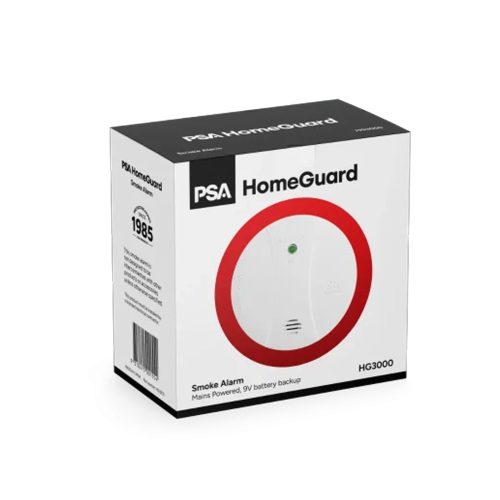
Photoelectric alarms work on a different principle entirely. Inside the detection chamber sits an LED light source and a light sensor, positioned at an angle to each other so that under normal conditions, the beam of light does not hit the sensor.
When smoke enters the chamber, the particles scatter the light beam in multiple directions. Some of that scattered light reaches the sensor, which triggers the alarm.
Photoelectric alarms are significantly more responsive to slow-burning, smouldering fires, which are the most common type in residential settings and the most dangerous precisely because they can burn for hours and fill a home with toxic smoke before producing visible flames. This is why most Australian states now mandate photoelectric alarms in residential properties.
What Smoke Alarms Actually Detect

Despite being called smoke alarms, these devices do not detect heat or flames directly. They detect the byproducts of combustion, primarily particles suspended in the air that are produced when materials burn.
In a fast-flaming fire, combustion is relatively complete, producing smaller, less visible particles along with heat and light. Ionisation sensors are well-suited to detecting these.
In a smouldering fire, combustion is incomplete. The material burns slowly, producing larger visible smoke particles, significant carbon monoxide, and toxic gases long before any flame appears. Photoelectric sensors are far better equipped to detect this particle profile early.
This distinction matters enormously. Smouldering fires often start from electrical faults inside walls, overheated appliances left on overnight, or a cigarette not fully extinguished. By the time flames appear, toxic smoke may have already rendered occupants unconscious.
The Role of the Detection Chamber
The detection chamber is the heart of any smoke alarm. It is designed to allow air and smoke to enter freely while preventing dust, insects, and light from triggering false alarms. Mesh screens and labyrinth-style entry paths filter out larger particles while allowing combustion byproducts to reach the sensor quickly.
Over time, dust accumulation inside the chamber is one of the primary reasons smoke alarms degrade in sensitivity. Regular cleaning with a vacuum or compressed air, combined with monthly testing, helps maintain reliable performance. This also explains why alarms have a defined lifespan of ten years. The internal components, particularly the sensors, degrade and lose sensitivity with age regardless of how clean the unit is kept.
The Advance Sensor Chamber: How Modern Engineering Reduces False Alarms

Understanding the detection chamber makes it easier to appreciate why engineering improvements to it matter so much in real-world Australian conditions. The Lifesaver 6800 (LIF6800), launched in August 2023, takes the standard photoelectric chamber design and addresses the three most common causes of false alarms and detection failure specific to the Australian environment: insects, humidity, and dust.
The result is the Advance Sensor chamber, developed after a year-long testing and trial program across more than 40 problematic sites throughout Australia. Over an 18-month test period, the LIF6800 recorded zero failures, making it one of the most rigorously validated residential smoke alarms available in the country.
Here is what sets the Advance Sensor chamber apart:

Reduced Insect Mesh
Insects entering the detection chamber are a surprisingly common cause of nuisance alarms, particularly in Australian homes where the climate brings a wide range of insects indoors year-round. The Advance Sensor chamber uses a minimised insect mesh design that reduces the entry points available to bugs without compromising the free flow of air and smoke particles into the detection zone. The result is fewer false alarms without any reduction in detection performance.
Resistance to Moisture Triggers
High humidity is one of the most challenging conditions for photoelectric smoke alarms. Water vapour particles can scatter light inside the chamber in the same way smoke particles do, triggering false alarms during humid weather events, in bathrooms, or in coastal and tropical Australian environments where humidity levels regularly spike. The Advance Sensor chamber has been specifically engineered to resist moisture-related triggers, making it a significantly more reliable option for homes in Queensland, the Northern Territory, and other high-humidity regions.
Anti-Static Chamber
Dust accumulation inside a standard detection chamber degrades sensor accuracy over time and is one of the leading causes of both false alarms and reduced detection sensitivity in older units. The Advance Sensor chamber incorporates an anti-static lining that actively repels dust particles, keeping the interior cleaner for longer and reducing the likelihood of dust-induced false alarms throughout the alarm's lifespan.
Together, these three improvements directly address the gap between how smoke alarms perform in controlled laboratory conditions and how they perform in actual Australian homes.
How the Alarm Circuit Works
When the sensor detects a threshold level of smoke particles, it sends a signal to the alarm's processing circuit. This circuit evaluates the signal against a pre-set sensitivity threshold to reduce false alarms from minor, transient events like steam or dust.
Once the threshold is crossed, the circuit activates the piezoelectric buzzer, which produces the loud, standardised alarm tone designed to wake sleeping occupants. In interconnected systems, a wireless or wired signal is simultaneously sent to every other alarm in the home, triggering all units to sound at once. This is why interconnection is so critical in multi-storey homes: a fire starting in a downstairs kitchen can wake someone sleeping in an upstairs bedroom before smoke ever reaches that level.
Why Placement Affects Performance
:max_bytes(150000):strip_icc()/PAinteriors-7-cafe9c2bd6be4823b9345e591e4f367f.jpg)
Smoke rises and spreads along ceilings before descending into a room. This is why smoke alarms should always be mounted on the ceiling or high on a wall, and why they should never be placed in corners where air circulation is poor.
Specific placement considerations include:
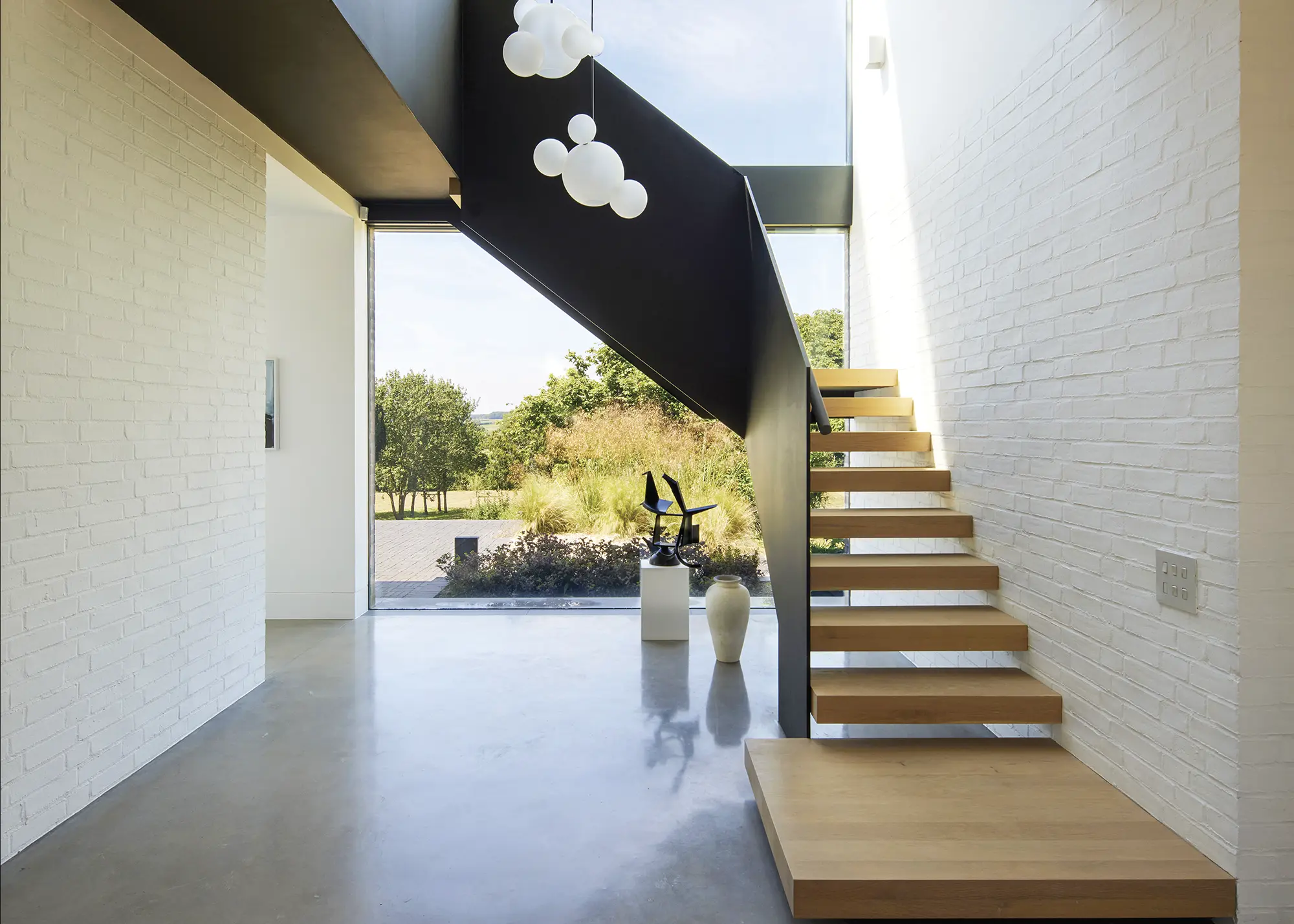
Bedrooms and hallways: These are the highest priority locations. A closed bedroom door can slow smoke entry by several minutes, but an alarm mounted directly outside the room provides the earliest possible warning.

Near kitchens but not directly above cooktops: Cooking vapour and steam are the leading cause of nuisance alarms. Place alarms at least three metres from a stove or toaster to balance early detection with false alarm reduction.
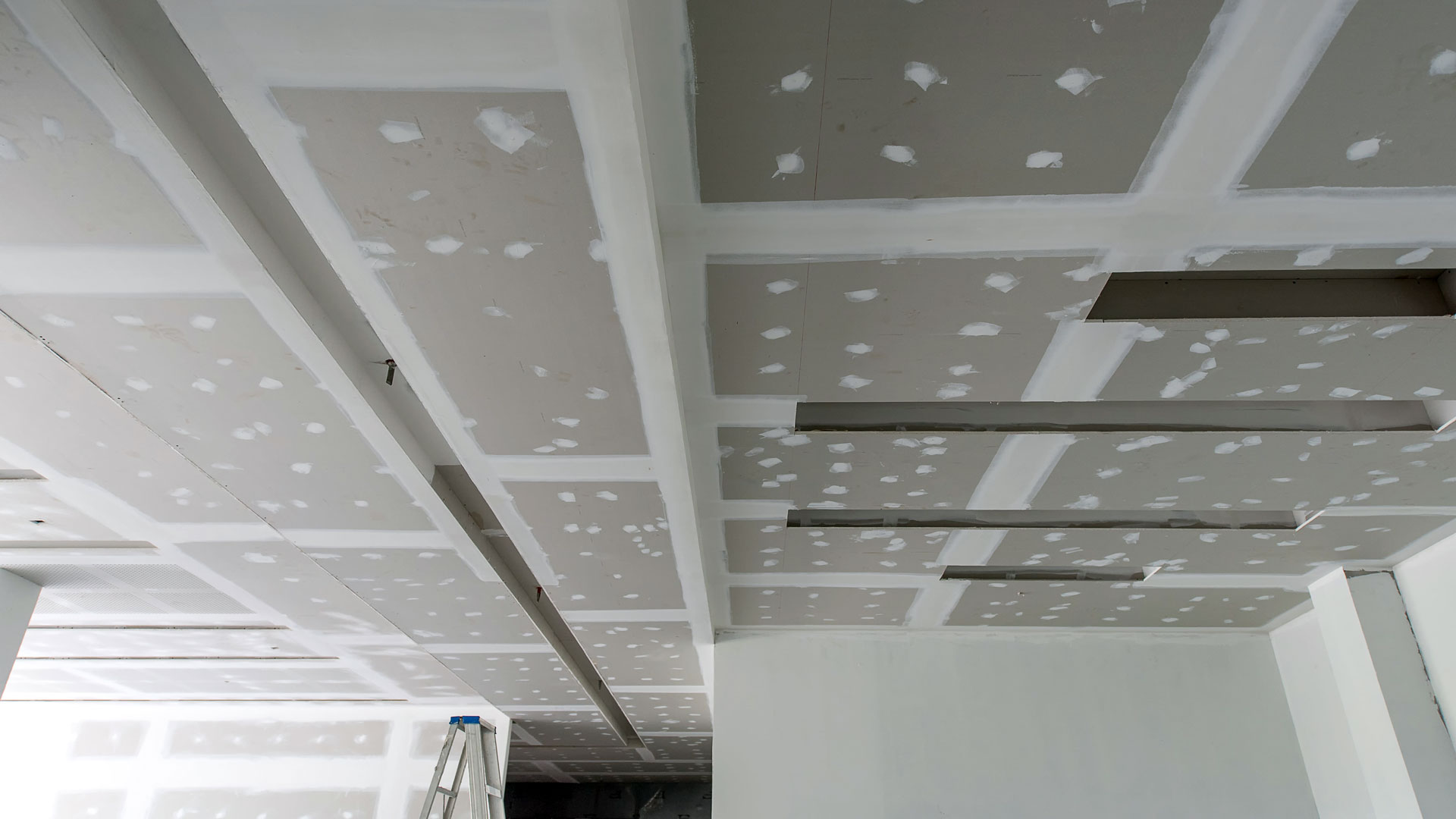
Avoiding dead air spaces: The corners where walls meet ceilings tend to trap air and slow smoke entry. Mount alarms at least 30cm from any wall or corner.
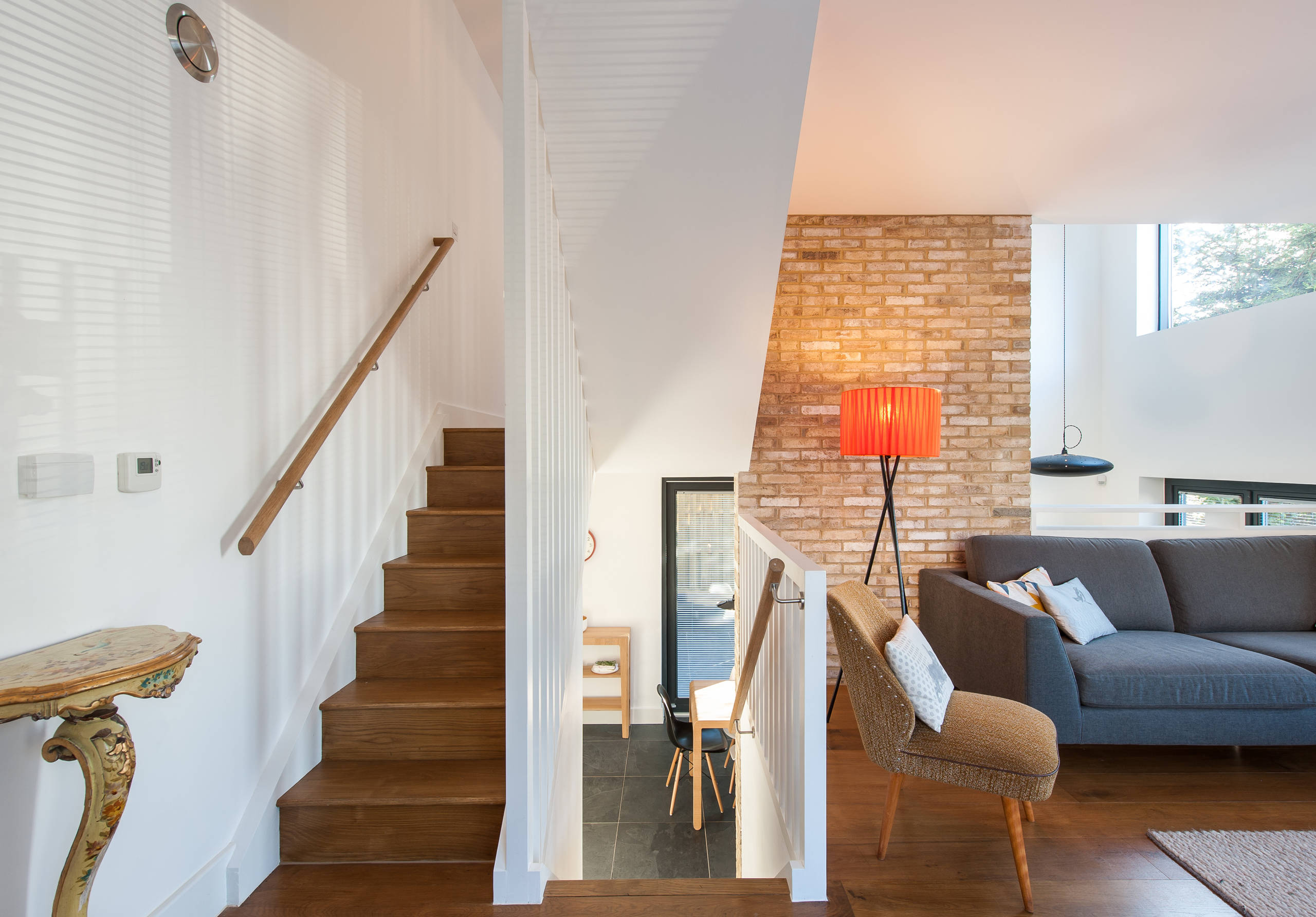
Every level of a multi-storey home: Smoke can behave unpredictably depending on airflow, so coverage on each floor is essential regardless of where occupants sleep.
The Difference a Few Minutes Makes
Research consistently shows that early detection is the single most important factor in fire survival outcomes. A working smoke alarm can provide between two and six additional minutes of evacuation time compared to detection by sight or smell alone. In a residential fire, where toxic smoke can render a person unconscious within two to three minutes of exposure, those extra minutes are not a convenience. They are the difference between a successful evacuation and a tragedy.
This is why the technology inside a smoke alarm, as simple as it may appear, is one of the most consequential pieces of engineering in any home.
Product Recommendations
If understanding the science has you reconsidering your current setup, here is what to look for:
Photoelectric Smoke Alarms -- The recommended standard for Australian homes, offering the fastest response to the most common and most dangerous type of residential fire.
Interconnected Smoke Alarm Systems -- When one alarm detects smoke, every alarm in the home activates simultaneously, giving all occupants maximum warning time regardless of where the fire starts.
10-Year Sealed Battery Smoke Alarms -- The battery lasts the full lifespan of the device, eliminating the most common point of failure in residential smoke detection.
Smart Smoke Alarms with App Alerts -- Sends real-time notifications to your smartphone when smoke is detected, even when you are away from home.
The most important upgrade for any Australian home: interconnected photoelectric smoke alarms installed in every bedroom, hallway, and level of the property.
Frequently Asked Questions
How does a smoke alarm detect fire?
Smoke alarms do not detect heat or flames directly. They detect airborne particles produced by combustion. Photoelectric alarms use a light beam and sensor to identify scattered smoke particles, while ionisation alarms detect changes in an electrical current caused by smoke entering the detection chamber. Both methods trigger the alarm when particle levels cross a defined threshold.
What is the difference between photoelectric and ionisation smoke alarms?
Photoelectric alarms are more responsive to slow-burning, smouldering fires that produce large visible smoke particles. Ionisation alarms respond faster to fast-flaming fires with smaller combustion particles. Photoelectric alarms are the mandated standard in most Australian states because smouldering fires are the most common and most deadly type in residential settings.
Why does my smoke alarm keep going off for no reason?
Nuisance alarms are most commonly triggered by cooking steam, toast, high humidity, or dust accumulation inside the detection chamber. If your alarm is triggering frequently without an obvious cause, try cleaning it with a vacuum attachment. If the problem persists, the unit may be positioned too close to a kitchen or bathroom, or it may be aging and losing calibration. An alarm more than ten years old should be replaced regardless.
How long do smoke alarms last?
Smoke alarms have a manufacturer-rated lifespan of ten years from the date of manufacture. After this point, internal sensors degrade and the device may no longer detect smoke reliably, even if it sounds during a test. Always check the manufacture date printed on the back of the unit and replace any alarm that has reached or passed the ten-year mark.
Do smoke alarms detect carbon monoxide?
Standard smoke alarms do not detect carbon monoxide. Carbon monoxide is an odourless, colourless gas produced by incomplete combustion from appliances like gas heaters, stoves, and hot water systems. A separate carbon monoxide detector is required to detect this hazard.
Why are interconnected smoke alarms better?
In a standard setup, each alarm only sounds in the room where smoke is detected. In an interconnected system, all alarms in the home activate simultaneously when any single unit detects smoke. This is critical in larger homes, multi-storey properties, or situations where occupants are sleeping in rooms far from where a fire starts. Interconnection can provide several additional minutes of warning time, which research shows is directly linked to improved survival outcomes.