

How Many Security Cameras Do You Need? A Simple Formula for Every Home
“How many cameras do I need?” is one of the most common questions homeowners ask
before buying a security system and it's usually answered with a vague “it depends.” It
does depend, but not in a complicated way. Camera count comes down to three things:
how many entry points your property has, how much outdoor area you want covered, and
how much redundancy you want if one angle gets missed. Here's a simple way to work out
your number before you buy.
Start With Entry Points, Not Square Metres
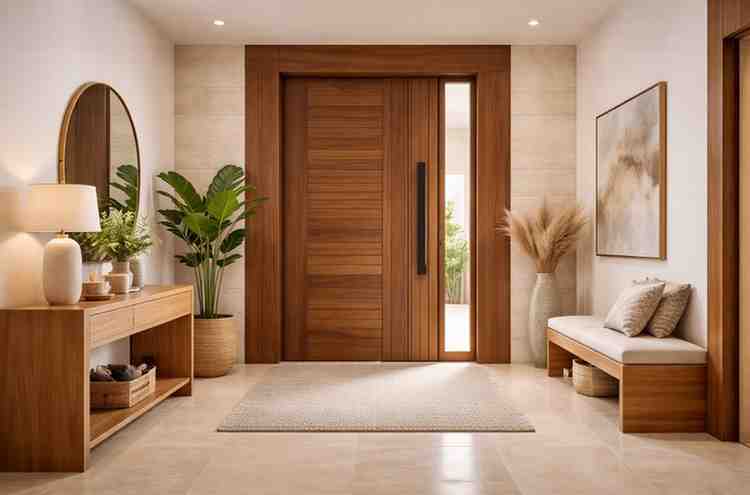
It's tempting to think about camera count in terms of house size, but coverage is really
about entry points, front door, back door, side gates, garage, and any ground-floor
windows that aren't overlooked by neighbours. A large house with one driveway and no
side access might need fewer cameras than a smaller property with multiple access points.
The Standard Formula for Most Homes

- 1 camera for the front door / main entry (doorbell or fixed camera)
- 1 camera covering the driveway or street-facing approach
- 1 camera per side access point (gates, side paths)
- 1 camera for the back door or rear entertaining area
For a standard 3–4 bedroom home with a front and back entry plus one side gate, that
typically lands on a 4-camera setup, which is why 4-camera kits are the most popular size
for suburban homes. Smaller units, apartments or townhouses with a single entry can
often get solid coverage from a 2-camera kit.
When You Need More Than the Standard Formula
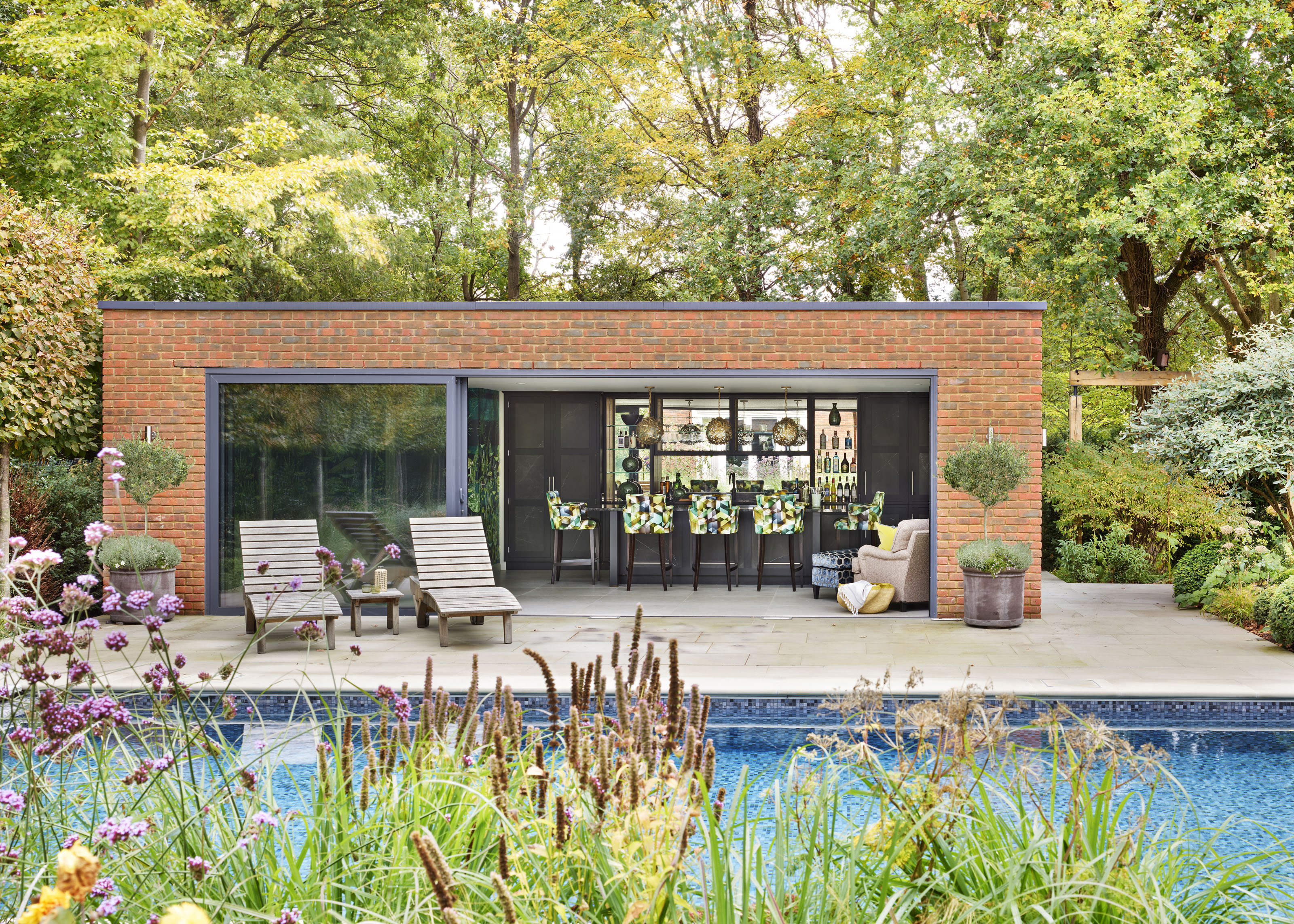
Larger blocks, corner properties, homes with a pool or shed, or anyone wanting
overlapping coverage (so no single blind spot relies on just one camera) should look at 6-
camera kits. Overlap matters more than most people expect, a single camera angle can
be defeated by an approach from the side, but two overlapping angles are much harder to
avoid.
Indoor Cameras: A Different Calculation

Indoor cameras aren't about entry points, they're about monitoring specific rooms or
valuables, or checking in on pets and kids. Most households only need one or two indoor
units, placed in a main living area or nursery, rather than one per room.
Frequently Asked Questions
Is a 2-camera kit ever enough for a full house?
For a small unit, apartment or townhouse with a single main entry and no side access, yes,
for a standard house with a front, back, and side entry, a 2-camera kit will usually leave at
least one access point uncovered.
Do I need a separate camera for the garage?
If the garage has an external door or is a common entry point into the house, it's worth
including in your count. A garage that's only accessed from inside the house generally
doesn't need its own camera.
Should driveway and front door be covered by the same camera?
It's possible with a wide-angle camera on a small property, but on most blocks a dedicated
driveway camera plus a front door camera gives clearer footage of each, a wide-angle
covering both often loses detail on faces or number plates at distance.
Is it better to buy a larger kit now or add cameras later?
Buying a matched kit upfront is usually simpler, since all cameras and the hub are
designed to work together and often ships slightly cheaper per camera than buying add-
ons individually later. If budget is tight, starting with entry points and adding side/indoor
cameras later is a reasonable staged approach.
|
Recommended Products for This Guide |