

Understanding Smoke Alarm Regulations in Australia (2026 Update)
Smoke alarm laws in Australia are changing in 2026, and many homeowners, landlords, and property sellers are unsure whether their current smoke alarms are still compliant. Older alarms may still function but no longer meet legal requirements.
This guide explains smoke alarm regulations in Australia as of 2026, what has changed, who must comply.
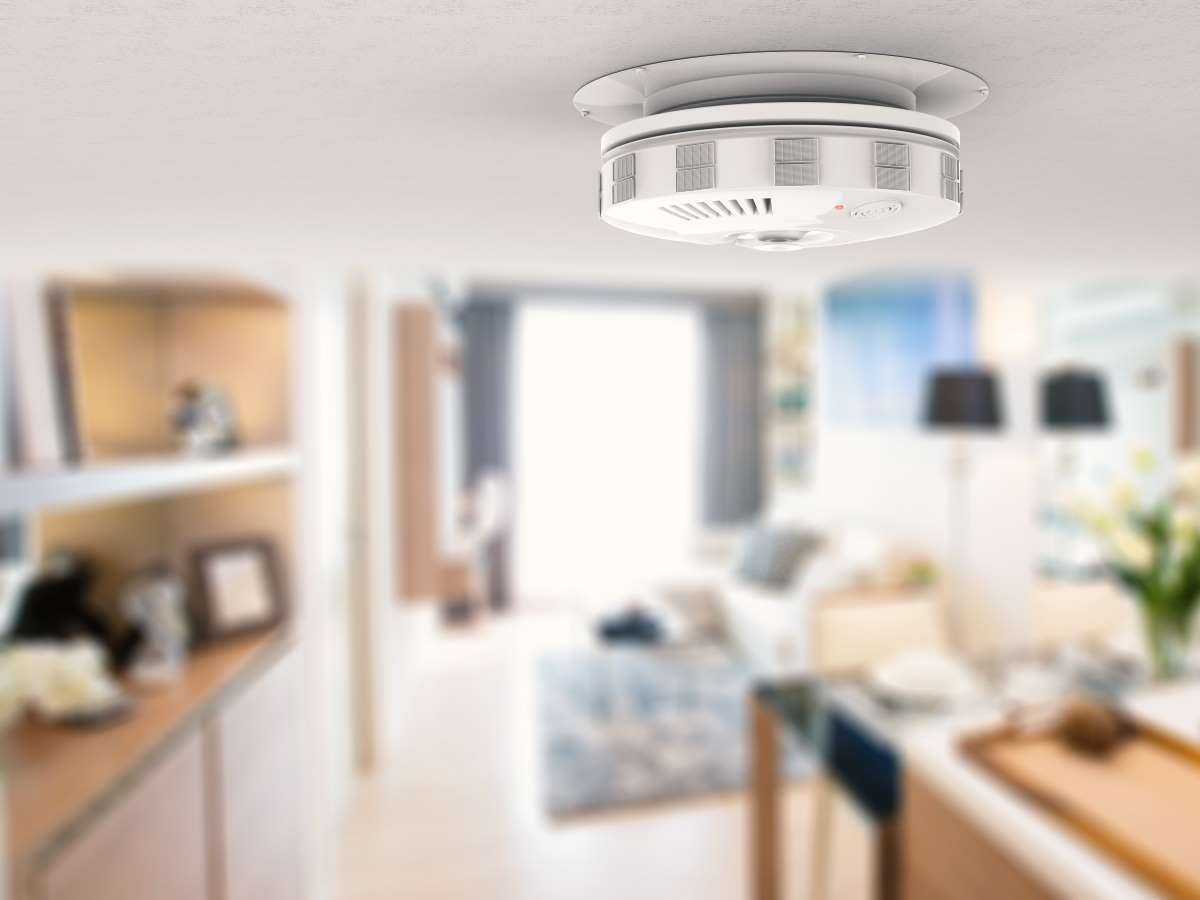
Why Smoke Alarm Regulations Matter
Smoke alarm compliance is not just about avoiding fines. It directly affects safety, legal responsibility, and property transactions.
- Common real-world issues include:
- Smoke alarms that activate too late during smouldering fires
- Bedrooms without smoke alarm coverage
- Alarms that do not sound throughout the home
- Properties failing rental or sale inspections
- Insurance complications after a fire
The 2026 updates are designed to reduce fire-related deaths by improving early warning and whole-of-home alerts.
Who Is Responsible for Compliance

Homeowners
Homeowners must ensure all smoke alarms in their home meet the updated standards by February 2026, even if the alarms are currently working.
Landlords and Rental Properties
Landlords must install compliant smoke alarms before a tenancy begins or is renewed. Failure to comply can result in fines and legal liability.
Property Sellers
In many states, smoke alarm compliance is checked during the sale process. Non-compliant alarms can delay settlement or require urgent replacement.
Smoke Alarm Compliance Checklist for 2026
Your smoke alarms should meet all of the following:
- Photoelectric technology
- Installed inside every bedroom and on each storey
- Interconnected with other alarms in the home
- Powered by mains with backup battery or sealed 10 year battery
- Compliant with Australian Standard AS 3786
Smoke Alarm Product Recommendations From Home Safety Store Australia

Best 10 Year Battery Smoke Alarms
Ideal for homes without mains wiring or where easy installation is preferred.
- Sealed 10 year lithium battery
- Photoelectric sensor
- Low maintenance and compliant with AS 3786
Best Interconnected Smoke Alarms (Wireless)
Suitable for whole-of-home compliance without rewiring.

LIF6000DCW 10 Year Lithium Smoke Alarm With Wireless Interlink
- Wireless RF interconnection
- Photoelectric technology
- Sealed 10 year battery
- Ideal for meeting interconnected alarm requirements
Best Hard Wired Smoke Alarms
Recommended for new builds, renovations, or where mains power is available.

LIF6800 240V Photoelectric Smoke Alarm With Battery Backup
- Mains powered with 9V backup battery
- Supports interconnection
- Compliant with AS 3786

LIF6800RL 240V Smoke Alarm With Rechargeable Lithium Backup
- Mains powered
- Rechargeable lithium backup battery
- Advanced photoelectric sensor
Best Budget Photoelectric Smoke Alarm
Suitable for basic compliance where interconnection is not required.

- Mains powered with battery backup
- Reliable and cost effective
How to Choose the Right Smoke Alarm for Your Home

Step 1: Check Power Availability
If mains power is available, a hard wired alarm is ideal. If not, choose a sealed 10 year battery model.
Step 2: Decide on Interconnection
Homes with multiple bedrooms or levels should use interconnected alarms for full compliance and safety.
Step 3: Replace Old Alarms
Any alarm older than 10 years or using ionisation technology should be replaced.
Step 4: Install in Correct Locations
Ensure alarms are installed inside every bedroom and on each level of the home.
Frequently Asked Questions About Smoke Alarm Regulations (2026)
Q: Are ionisation smoke alarms still legal?
A: No. Ionisation alarms do not meet the updated 2026 requirements and must be replaced with photoelectric alarms.
Q: Do existing homes need to upgrade?
A: Yes. Existing homes must comply by February 2026, not just new builds.
Q: Are 10 year battery smoke alarms allowed?
A: Yes, as long as the battery is sealed and non removable.
Q: Do smoke alarms have to be interconnected?
A: Yes, when more than one alarm is installed in the home.
Q: Do smoke alarms affect property sales or rentals?
A: Yes. Non-compliant smoke alarms can delay sales, fail inspections, or breach rental regulations.