

Comparing Smoke & Heat Alarms in Australia & New Zealand: Where and When Each Should Be Used
Fire safety isn’t optional, it's essential. In Australia and New Zealand, every home must be fitted with working smoke alarms that meet national standards. Most homes now use photoelectric smoke alarms with long-life lithium batteries, providing reliable protection without the hassle of frequent replacements.
But smoke alarms aren’t the only solution. Heat alarms add an extra layer of security in areas where smoke detectors may false-trigger, especially in garages, where dust, exhaust fumes, and fluctuating temperatures can interfere with standard smoke alarms. With the lithium-ion batteries playing an increasing role in our society with EV and E-scooters/bikes becoming a household norm, it’s even more important to have heat alarms in garages!
This guide explains the difference between smoke alarms and heat alarms, when and where to use each type, the local regulations you need to know and our top product recommendations from Home Safety Store.
What Is a Smoke Alarm?
A smoke alarm detects airborne smoke particles, often alerting you to a fire before flames are visible. In Australia, alarms must comply with AS 3786:2014, and in New Zealand, with NZS 4514:2009.
Best Places for Smoke Alarms:

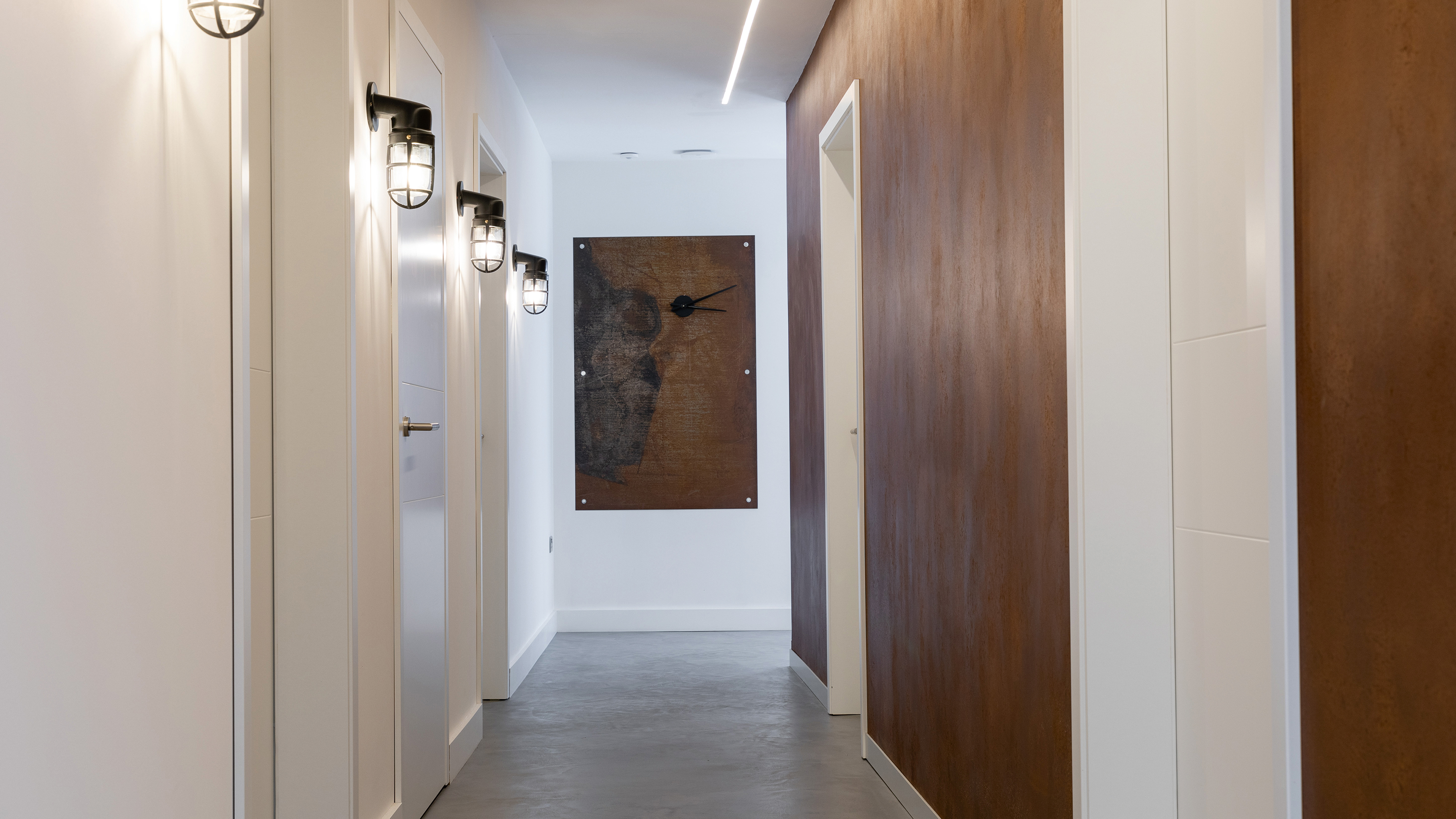
Bedrooms and hallways (legally required in most regions).
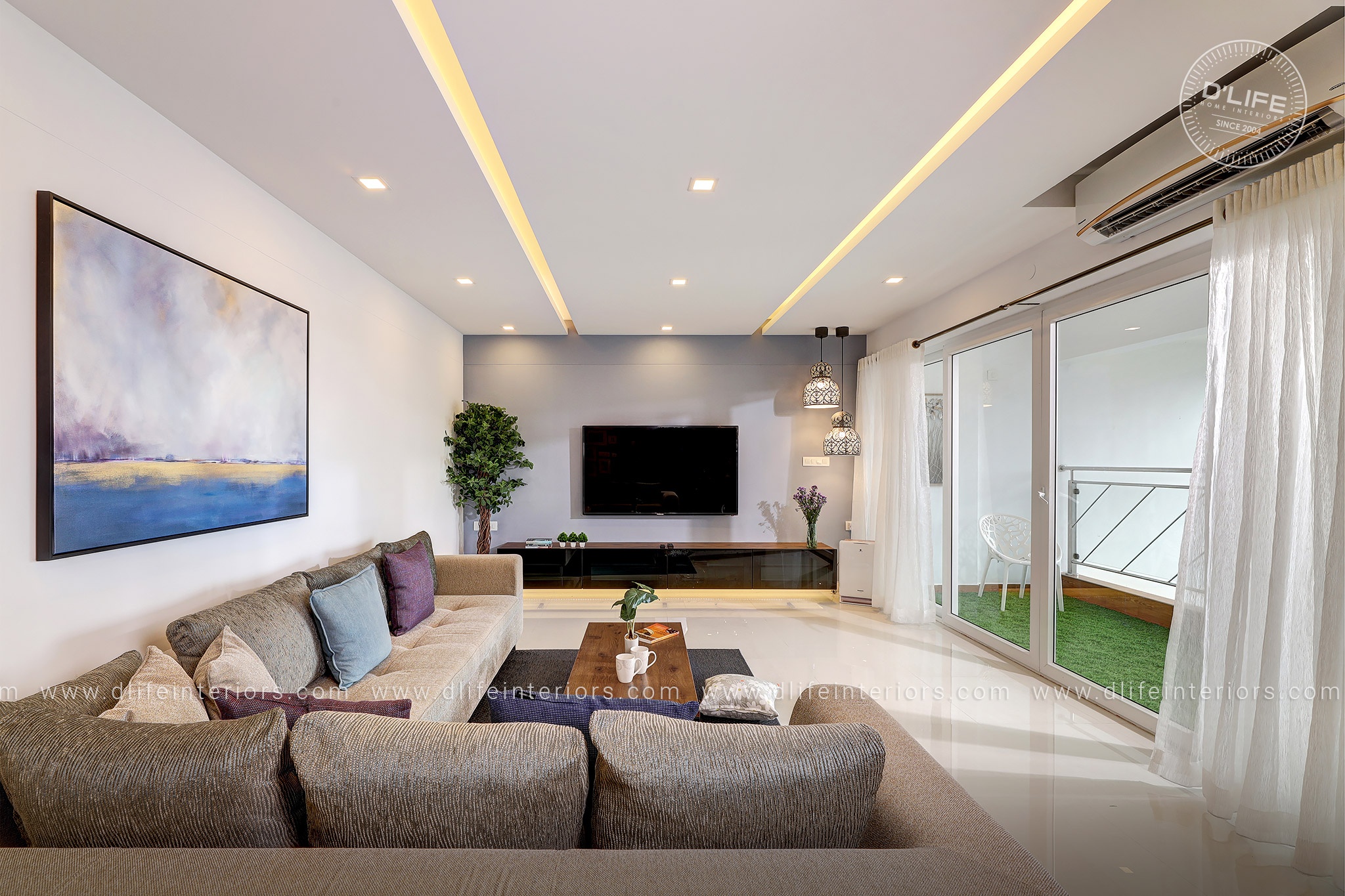
Living areas near heaters, fireplaces, or electronics.
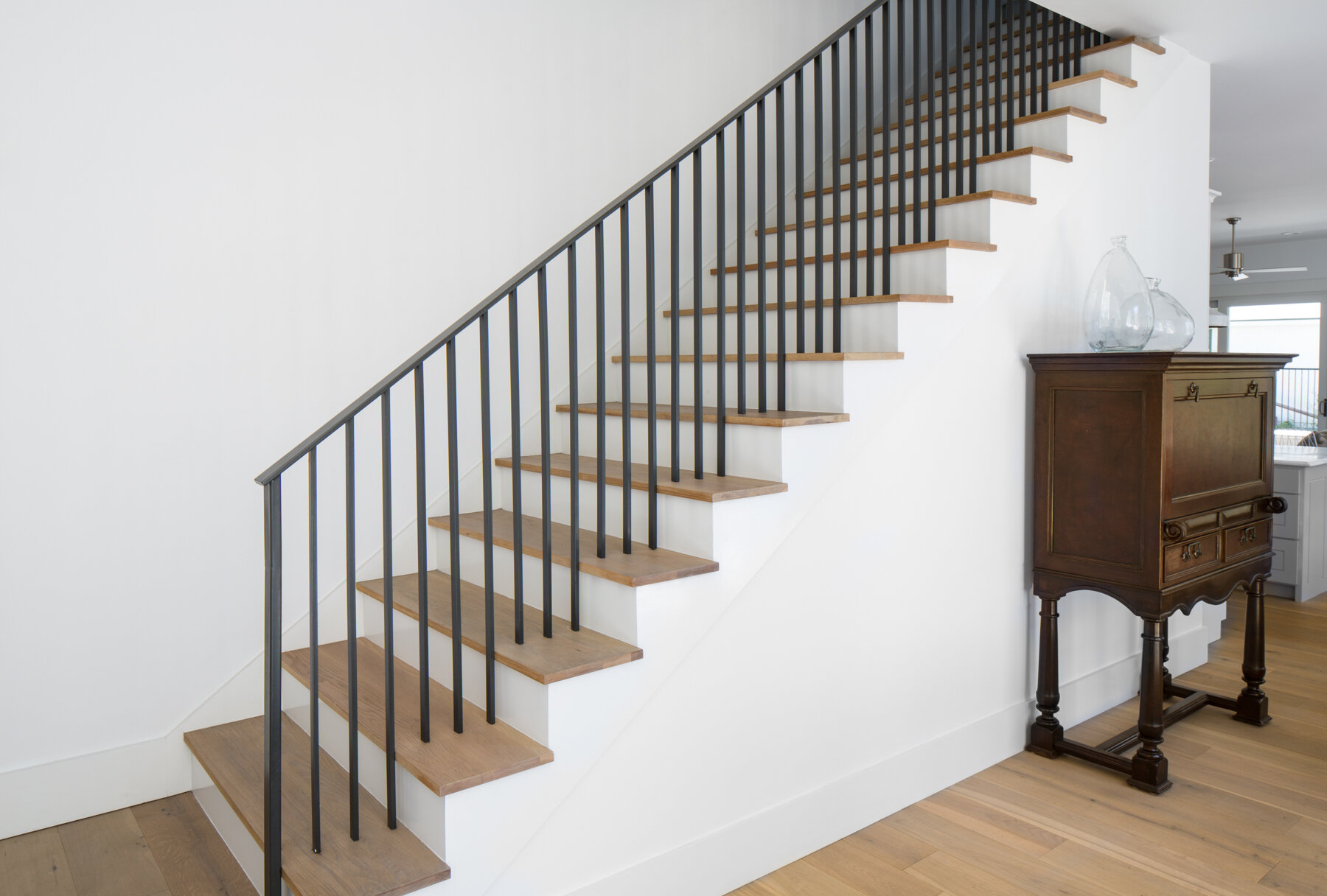
Stairways and escape routes.
Avoid installing in kitchens, bathrooms, and garages steam, smoke from cooking, or exhaust fumes may cause false alarms.
What Is a Heat Alarm?
A heat alarm detects sudden rises in temperature instead of smoke. This makes them ideal in areas where smoke alarms might trigger unnecessarily.
Best Places for Heat Alarms:

Kitchens (where cooking smoke can cause false alarms).
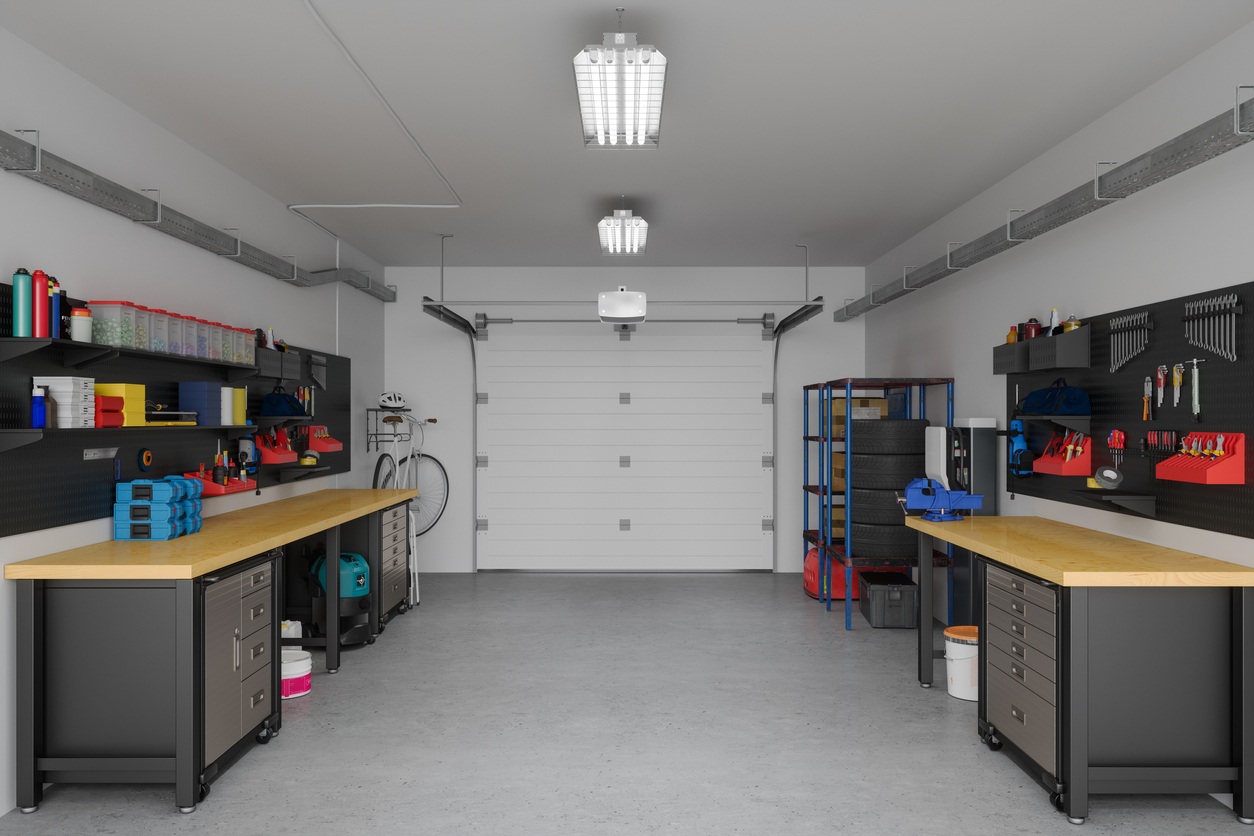
Garages (resistant to dust, fumes, and exhaust).
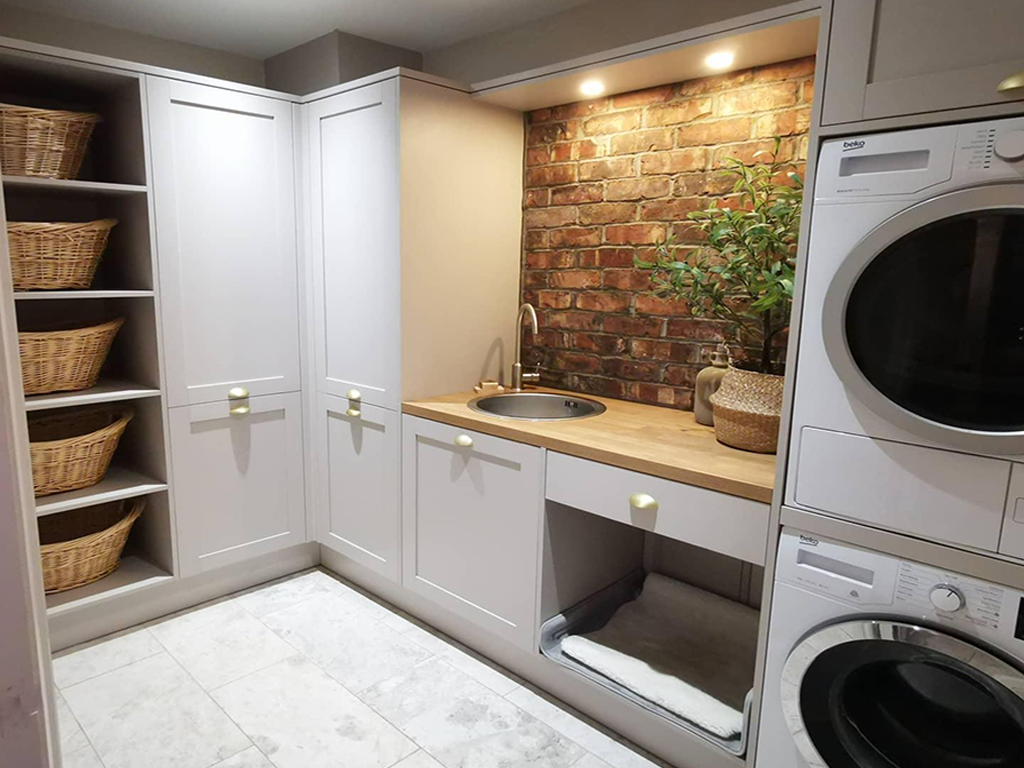
Utility rooms and laundries (high-heat appliances).
Smoke Alarm Laws in Australia
- Must be photoelectric (not ionisation).
- AS3786:2014 compliant.
- Powered by 240V mains or a sealed 10-year lithium battery.
- Interconnected in new homes and major renovations.
-
At least one alarm per level of the home.
Queensland requires the strictest compliance: photoelectric, interconnected alarms in every bedroom, hallway, and living area. Learn more
Smoke Alarm Rules in New Zealand
- Minimum of one working smoke alarm per level of a home.
- Landlords must supply long-life photoelectric alarms.
- Placement near bedrooms and escape routes is mandatory.
- Heat alarms are not required but strongly recommended for kitchens and garages.
Why You Need Both
- Smoke alarms → early warning in bedrooms, hallways, and living spaces.
- Heat alarms → reliable detection in kitchens, garages, and utility rooms.
-
Interconnected systems → when one goes off, all alarms sound.
Together, they provide whole-home fire protection.
Recommended Smoke & Heat Alarms from Home Safety Store
For peace of mind, choose alarms that meet Australian Standards and are trusted for reliability. Here are some top picks available at Home Safety Store:
Smoke Alarms

LIFPE10LP 10 Year Photoelectric Smoke Alarm
– Slim design, sealed lithium battery, no wiring needed. Perfect for bedrooms and hallways.
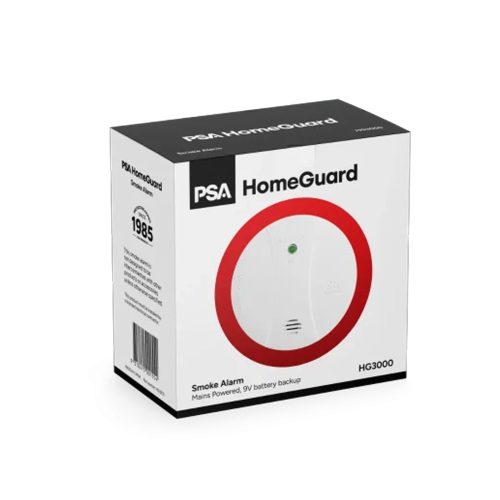
HG3000 240V Photoelectric Smoke Alarm with 9V Battery Back Up
– Mains powered with battery backup for extra security. Ideal for living rooms and hallways.

LIF6000DCW Wireless Interlink Smoke Alarm
– Wireless interconnection across multiple units. Great for multi-storey homes.

LIFPE9M 9V Photoelectric Smoke Alarm
– Affordable, battery-powered option for retrofits.

LIFHA240 9V Photoelectric Smoke Alarm
– Heat alarms are used to detect when the temperature reaches a pre-set degree

Bundle Recommendation
The Lithium Battery Risk & Why Heat Alarms in Garages Are More Important Than Ever
As more households adopt electric vehicles, e-bikes, e-scooters, and other battery-powered devices, lithium-ion batteries are becoming ubiquitous in homes. While these batteries are efficient, they also carry fire risks—especially when charging in enclosed spaces like garages.
Why Lithium Batteries in Garages Are High Risk
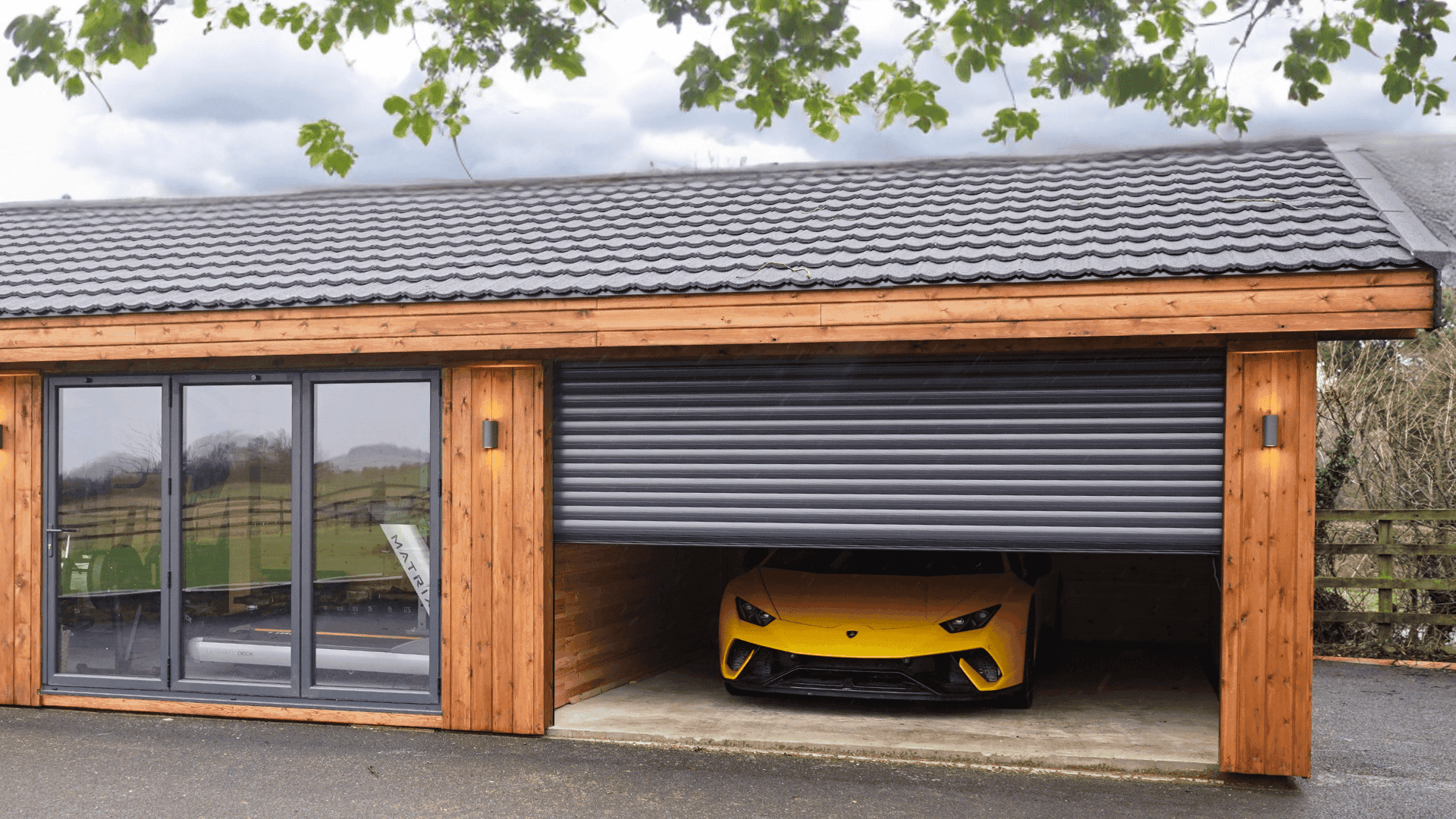
Thermal runaway: If a lithium battery overheats, it can enter a self-accelerating reaction, dramatically increasing temperature and catching fire.
Charging faults: Using non-compatible chargers, overcharging, or damaged battery cells can trigger fires.
Close proximity: Garages are often adjacent or connected to living spaces—fires can spread rapidly.
Fuel for a fire: Vehicles, stored materials, and combustibles in garages amplify fire risk.
These incidents show that the garage can become a flashpoint if proper precautions aren’t taken.
Using Heat Alarms in Garages: A Vital Layer of Protection
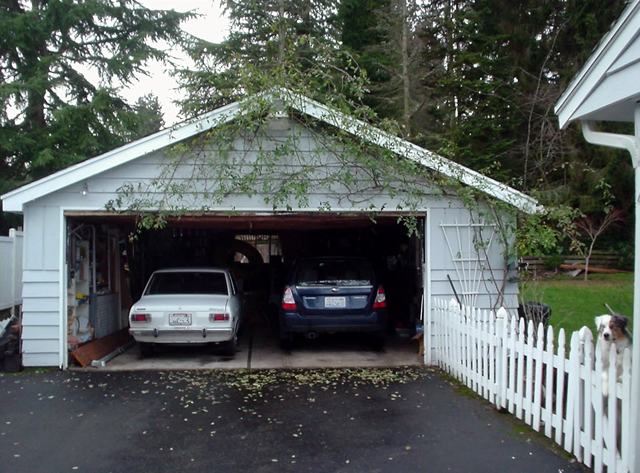
Smoke alarms often struggle in garages because of dust, exhaust fumes, temperature changes, and absence of smoke in certain battery-fire conditions. That’s where heat alarms shine they detect rapid increases in temperature, regardless of smoke presence, making them ideal for:
- Monitoring charging EVs, e-scooters, or battery packs
- Detecting overheated wiring or battery faults
-
Serving areas where smoke alarms may false alarm or miss early fire phases
Interconnectivity: Lifesaver Smoke + Heat Alarms Bridge the Gap
One of the key advantages of modern Lifesaver systems is that smoke alarms and heat alarms can be wirelessly interconnected. That means:
- If a heat alarm in the garage detects a dangerously fast temperature rise, it triggers all smoke alarms in the house.
- Everyone in the home is alerted, regardless of where the fire starts.
-
This “whole-home hazard response” ensures no alarm is isolated to just one zone.
This feature is critically important in homes with garages attached or adjacent to the living space especially in EV or battery-powered device households.
Quick Comparison: Smoke vs Heat Alarms
|
Feature |
Smoke Alarm |
Heat Alarm |
|
Detects |
Smoke particles |
Rapid rise in temperature |
|
Best Use |
Bedrooms, hallways, living rooms, escape routes |
Kitchens, garages, utility rooms |
|
False Alarms |
Can trigger in kitchens/garages |
Very low |
|
Legal Requirement |
Yes (AU/NZ) |
No (recommended only) |